

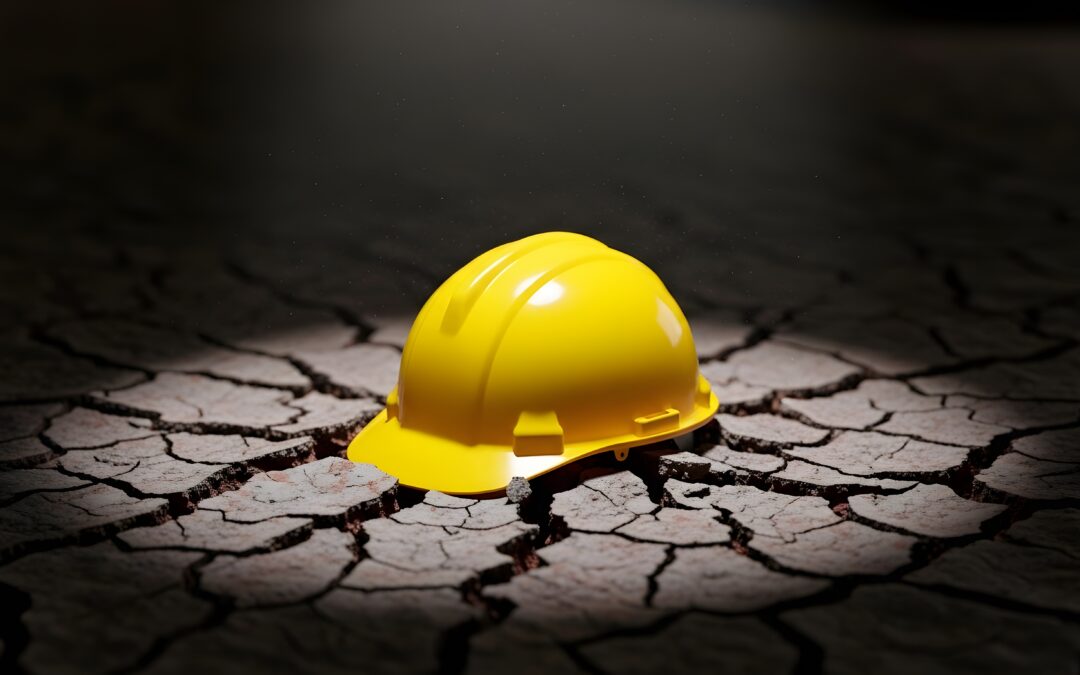
Drought Safety Tips and Risk Reminders for Businesses and Communities
Drought conditions are often viewed as slow-moving environmental events, but their impact on safety and operations can be immediate and far-reaching. Extended periods of low rainfall affect more than landscaping and water bills—they increase fire risk, strain...
Overlooked Winter Safety Challenges in the Workplace
Winter workplace safety is often associated with obvious hazards like ice, snow, and freezing temperatures. While frostbite and outdoor slip risks deserve attention, many of the most costly winter incidents occur indoors—quietly and unexpectedly. One common but...
Flood Safety Tips for Every Home and Business
Flooding is often associated with coastal hurricanes and storm surges. But in reality, flooding can happen almost anywhere — including inland communities, urban areas, and regions not traditionally considered high-risk. With heavy rains and active flood warnings in...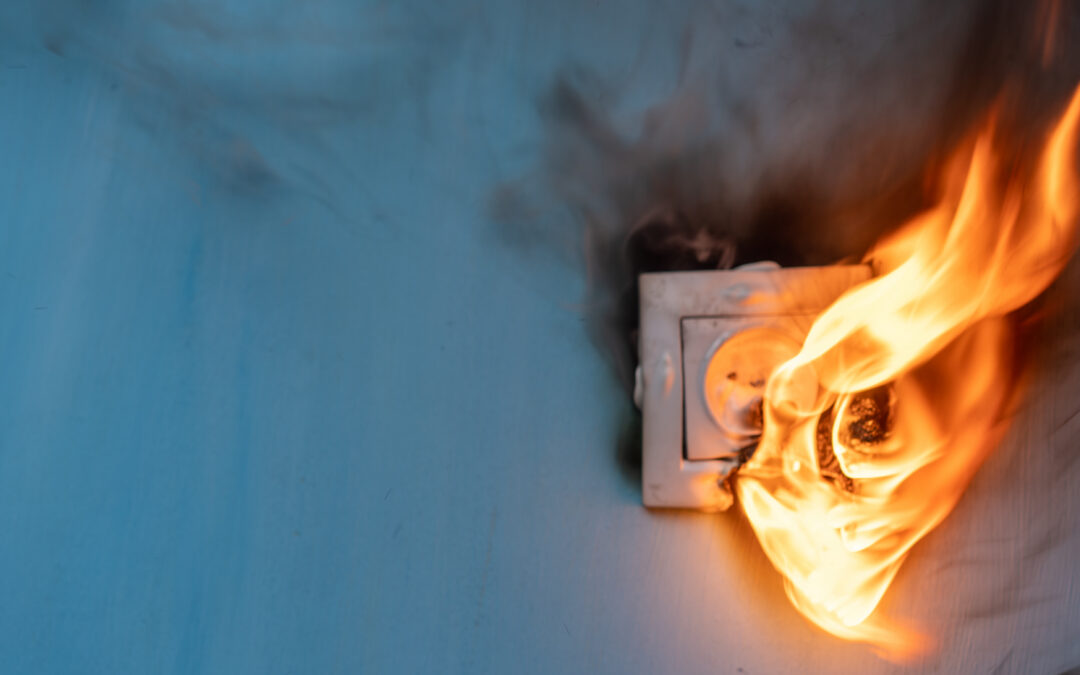
Electrical Safety: Preventing Fires at Home and in the Workplace
Electrical hazards remain one of the leading causes of preventable fires in both residential and commercial settings. According to the National Fire Protection Association, electrical failures and malfunctions consistently rank among the top contributors to structure...