How Road Conditions Impact Vehicles, Claims, and Driver Safety
As winter transitions into spring, road conditions often deteriorate faster than they are repaired. The freeze-thaw cycle, combined with moisture and traffic volume, creates potholes that can quickly turn routine routes into risk zones for fleet operations.
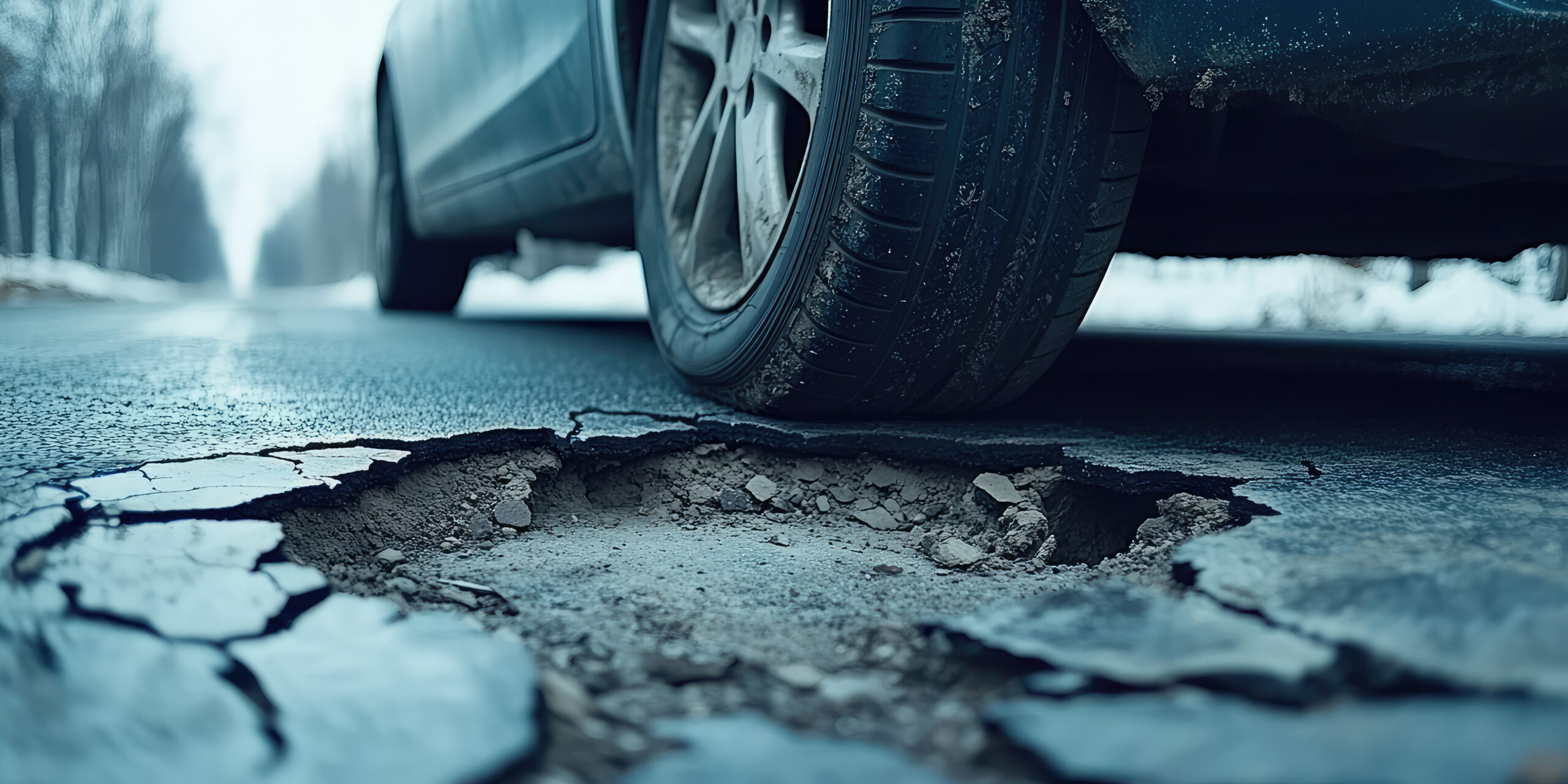
For businesses that rely on vehicles, potholes are more than a nuisance—they present a consistent and often underestimated hazard. Sudden impacts can damage tires, wheels, suspension systems, and alignment, increasing the likelihood of breakdowns or loss of vehicle control. Even minor damage can escalate if left unaddressed, affecting both performance and safety.
Driver behavior also plays a critical role. Swerving to avoid potholes can introduce new risks, including collisions with other vehicles or loss of control. In many cases, drivers are forced to make split-second decisions, especially in high-traffic or poor visibility conditions. Without proper training and awareness, these moments can lead to preventable incidents.
From a claims perspective, pothole-related events can be difficult to navigate. Damage may appear minor initially but develop into larger mechanical issues over time. Additionally, incidents involving evasive maneuvers or secondary impacts can complicate investigations and increase exposure.
To reduce risk during pothole season, organizations should focus on proactive measures:
-
Encourage defensive driving and hazard awareness, especially on known high-risk routes
-
Reinforce safe following distances to allow time to react to road conditions
-
Implement regular vehicle inspections, with attention to tires, suspension, and alignment
-
Leverage telematics or driver feedback tools to identify patterns in harsh braking or sudden maneuvers
-
Promote timely reporting of vehicle damage or road hazards
Potholes may be a seasonal challenge, but their impact on safety and operations is ongoing. By staying aware, reinforcing best practices, and addressing issues early, organizations can better protect their drivers and maintain reliable fleet performance.