High-wind events are no longer rare, isolated incidents. From sudden gusts during routine storms to sustained winds from severe weather systems, wind exposure has quietly become one of the most underestimated risks for facilities and job sites. Unlike floods or fires,...
Extreme weather is becoming less predictable—and recent snowfall in Florida is a clear reminder that no region is immune to unusual conditions. Events once considered rare are now happening outside their typical seasons and locations, creating new risks for...
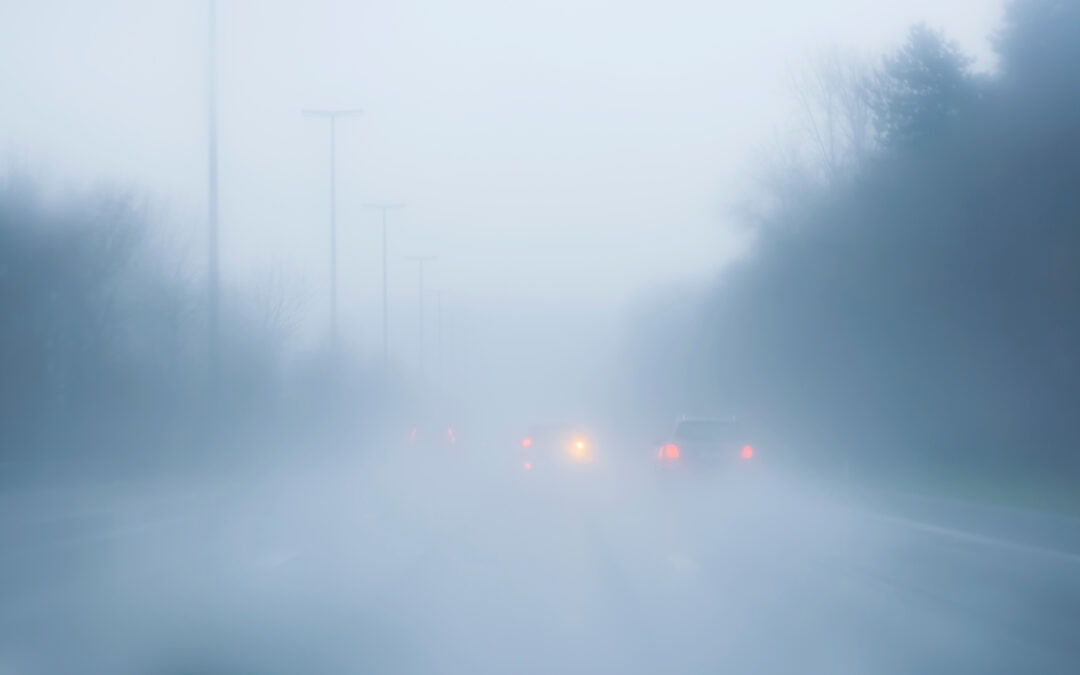
Fog is one of the most dangerous driving conditions because it significantly reduces visibility and depth perception. Unlike rain or snow, fog can appear suddenly and create rapidly changing conditions, increasing the risk of rear-end collisions, lane departures, and...
Winter storms can bring severe weather conditions that disrupt daily routines, impact business operations, and create serious safety risks. Snow, ice, freezing temperatures, and power outages all require preparation to protect people, property, and continuity. For...
Accurate injury and illness recordkeeping is a critical component of workplace safety and regulatory compliance. OSHA’s recordkeeping requirements, outlined in 29 CFR Part 1904, help employers track work-related injuries and illnesses and identify trends that may...
Strong and heavy winds present serious risks to both business operations and commercial driving. While often underestimated, high winds can cause structural damage, create roadway hazards, and significantly increase the likelihood of vehicle incidents—especially for...