Reducing Seasonal Workplace Hazards Through Awareness and Prevention
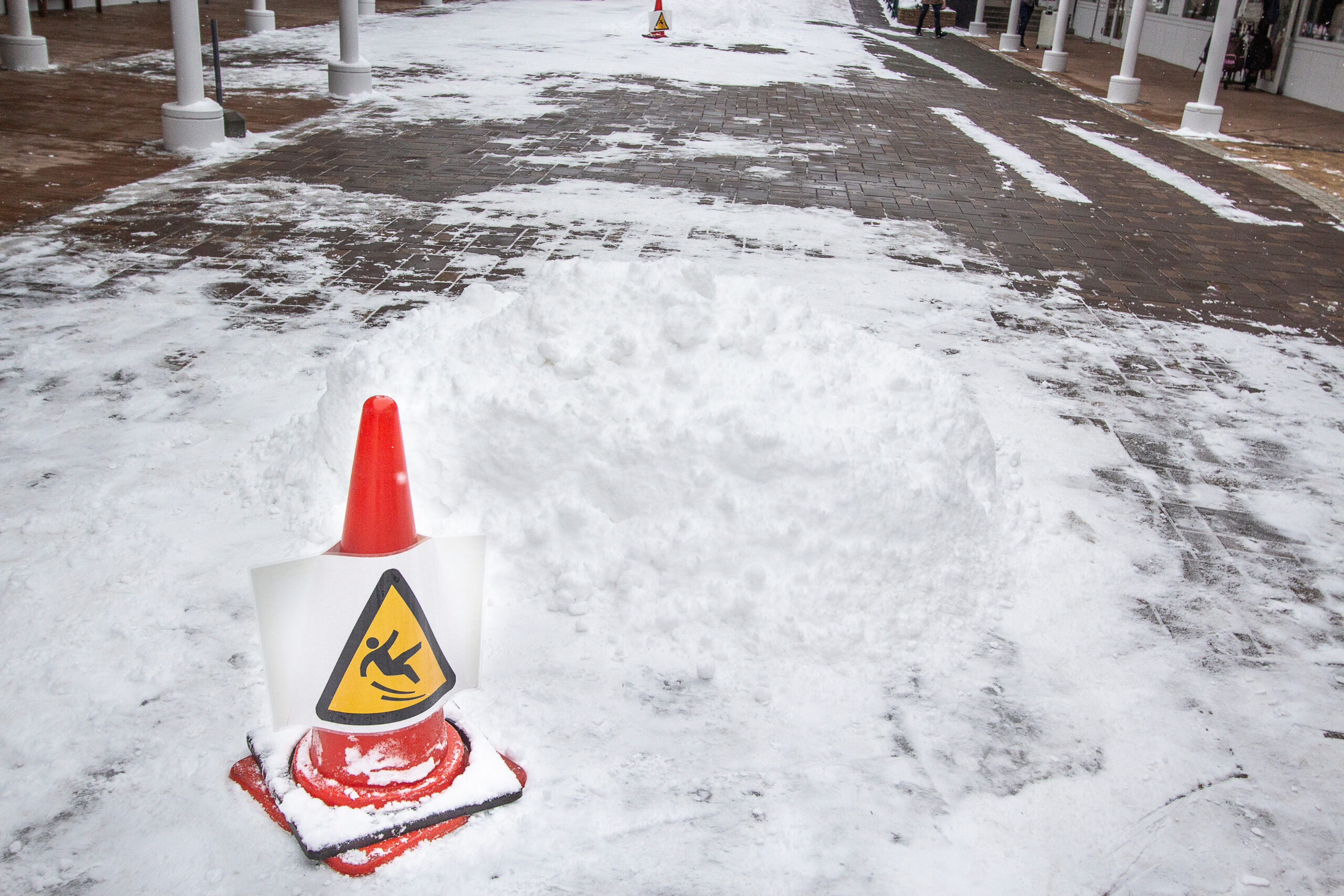
Winter weather introduces additional safety concerns for businesses, employees, and visitors. Snow, ice, freezing temperatures, and increased moisture can create hazardous walking surfaces, particularly around building entrances, parking lots, sidewalks, and loading areas.
Even in regions with milder winters, rain, wet floors, poor lighting, and seasonal changes can contribute to slips, trips, and falls. These incidents can result in employee injuries, lost productivity, property-related liability concerns, and operational disruptions.
Businesses should take a proactive approach to identifying and addressing walking and working surface hazards throughout the winter season.
Identify Common Winter Walking Hazards
Outdoor surfaces are particularly vulnerable to changing weather conditions. Snow accumulation, freezing rain, black ice, and standing water can make sidewalks, stairs, and parking areas slippery. Shaded locations, ramps, and building entrances may require additional attention because moisture can remain longer in these areas.
Indoor hazards are equally important. Employees and visitors can track water, snow, and debris into facilities, creating slippery floors near entrances, hallways, and frequently traveled areas.
Businesses should conduct regular inspections to identify potential hazards and address them promptly.
Maintain Safe Entrances and Walkways
Maintaining clear and accessible walking surfaces is an important part of winter loss prevention. Organizations should establish procedures for removing snow and ice, applying appropriate traction materials, and monitoring conditions throughout the day.
Entrance mats can help reduce moisture tracked into buildings, but they should remain flat, secure, and free of curled edges that could create tripping hazards.
Businesses should also ensure that walkways, stairways, parking lots, and loading areas have adequate lighting. Damaged pavement, uneven surfaces, and clutter should be corrected or clearly identified until repairs can be completed.
Encourage Appropriate Footwear and Safe Walking Practices
Employee awareness plays an important role in preventing slips, trips, and falls. Workers should be encouraged to wear footwear appropriate for their work environment, including slip-resistant options when conditions warrant.
When walking on wet or icy surfaces, employees should take shorter steps, avoid rushing, and use available handrails. Carrying large items that obstruct visibility should be avoided whenever possible.
Businesses should also remind employees to report spills, damaged flooring, icy walkways, and other hazardous conditions promptly.
Reinforce Housekeeping and Workplace Inspections
Consistent housekeeping practices can help reduce slip and trip hazards throughout a facility. Spills should be addressed promptly, cords and equipment should be kept out of walkways, and storage areas should remain organized.
During winter, businesses may need to increase inspection frequency around entrances and other areas exposed to changing weather conditions.
Supervisors and facility managers should document identified hazards, communicate concerns to appropriate personnel, and follow up to ensure corrective actions have been completed.
Make Winter Safety Part of Your Loss Prevention Strategy
Preventing slips, trips, and falls requires ongoing attention rather than a single seasonal reminder. Businesses should review their procedures before winter weather arrives and reinforce expectations through employee training and regular communication.
Incident reports and near-miss documentation can also help identify recurring problem areas and opportunities for improvement.
By maintaining walking surfaces, reinforcing safe practices, and addressing hazards promptly, businesses can help reduce winter-related slip, trip, and fall risks while supporting a safer environment for employees and visitors.