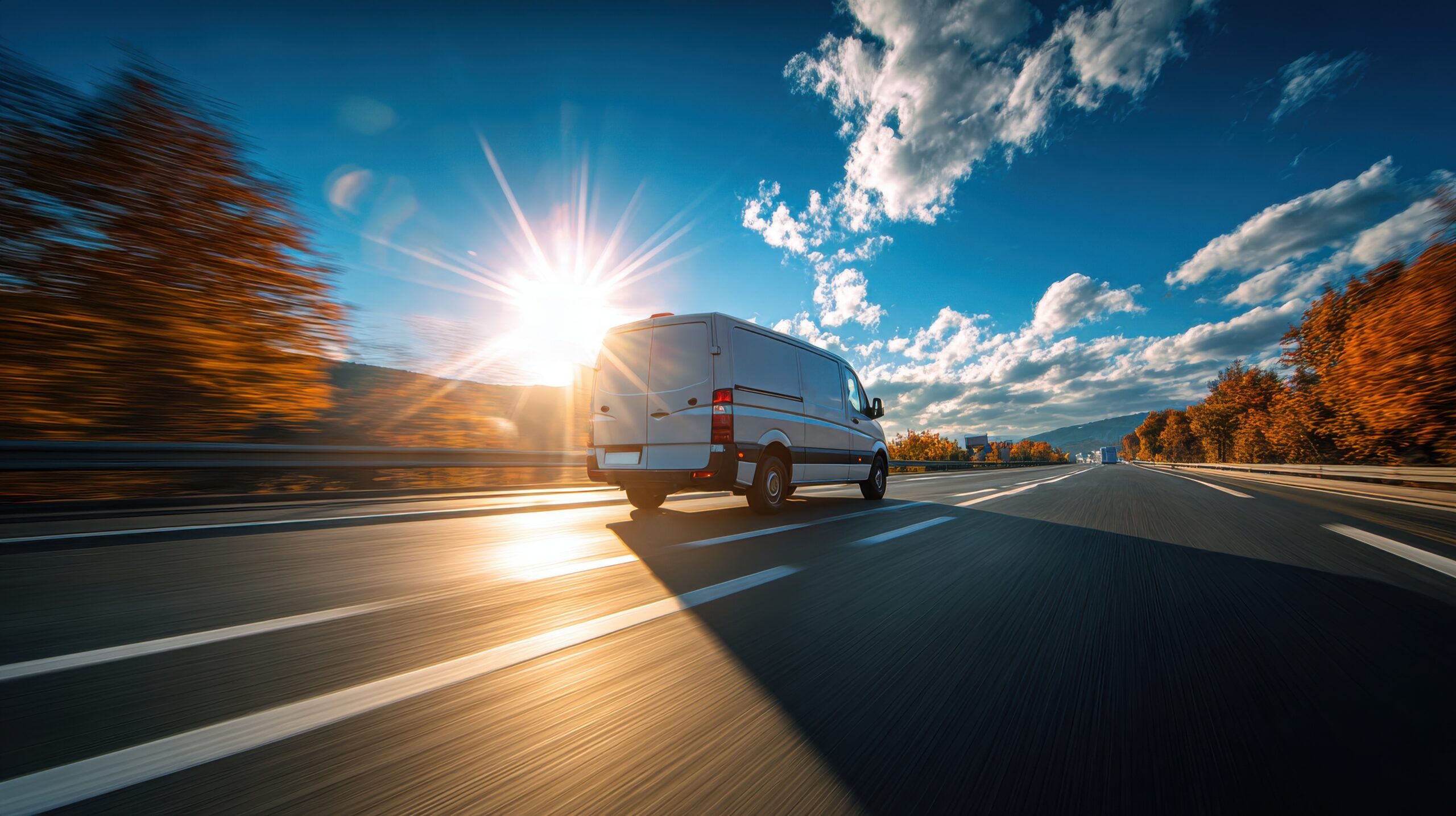
Navigating Seasonal Road Hazards with Awareness and Preparation
Fall brings cooler temperatures, changing foliage, and shorter days. While the season offers beautiful scenery, it also introduces driving hazards that can catch motorists off guard. From wet leaves and morning fog to reduced daylight, changing temperatures, and increased wildlife activity, autumn conditions require drivers to remain alert and adjust their habits accordingly. Whether commuting to work, traveling for the weekend, or operating a commercial vehicle, understanding seasonal risks can help make fall driving safer for everyone.
Watch for Wet Leaves and Slippery Roads
Fallen leaves may seem harmless, but when they become wet, they can create slippery road surfaces and reduce tire traction. Leaves can also cover potholes, pavement markings, and other roadway hazards, making it more difficult to recognize changing conditions. Drivers should reduce speed on leaf-covered roads, increase following distance, and avoid sudden braking or sharp turns. Extra caution is especially important on curves, hills, and shaded roads where moisture may remain longer.
Prepare for Fog and Reduced Visibility
Cool mornings and changing temperatures can create fog, particularly near bodies of water, valleys, and low-lying areas. Fog can significantly reduce visibility, making it harder to judge distances and recognize other vehicles, pedestrians, or roadway hazards. When driving in fog, reduce speed and use low-beam headlights. High beams can reflect off fog and make visibility worse. Drivers should also keep windshields clean, use defrosters when needed, and allow additional time to reach their destinations.
Adjust to Shorter Days
As fall progresses, daylight hours become shorter, increasing the likelihood of driving during sunrise, sunset, or after dark. Sun glare can make traffic signals, pedestrians, and other vehicles difficult to see. Meanwhile, nighttime driving requires additional attention because visibility is limited to the areas illuminated by headlights and surrounding lighting. Keep headlights and taillights clean and functioning properly. Reduce speed when visibility is limited and remain especially cautious at intersections, crosswalks, and areas with limited street lighting.
Be Alert for Wildlife
Fall is a particularly active time for deer in many parts of the country, especially during their breeding season. Deer and other wildlife are often more active around dawn and dusk, when visibility may already be reduced. Drivers should watch for wildlife crossing signs, scan the sides of the road, and slow down in wooded or rural areas. If an animal enters the roadway, brake firmly while maintaining control of the vehicle. Avoid sudden swerving, which can increase the risk of losing control or entering another lane.
Prepare for Temperature Changes
Fall temperatures can fluctuate significantly between daytime and nighttime, especially in northern regions and higher elevations. When temperatures drop near or below freezing, moisture can create icy patches on bridges, overpasses, and shaded roadways. These surfaces may freeze before surrounding roads. Drivers should remain alert to weather forecasts, reduce speed when icy conditions are possible, and avoid sudden acceleration or braking. Even in warmer regions, temperature changes and seasonal rainfall can create unfamiliar driving conditions.
Make Vehicle Maintenance a Priority
Seasonal vehicle maintenance is an important part of safe driving. Before heading into colder weather, inspect tire tread and pressure, windshield wipers, headlights, brake systems, and defrosters. Tires with insufficient tread may struggle to maintain traction on wet roads, while worn wipers can make it difficult to see during rain or fog. For businesses operating commercial fleets, fall is a good time to reinforce pre-trip inspections and remind drivers to report maintenance concerns promptly.
Reinforce Safe Driving Habits
Changing road conditions make defensive driving especially important. Drivers should avoid distractions, maintain safe following distances, adjust speed to conditions, and remain aware of their surroundings. Commercial drivers should also consider how seasonal weather may affect routes, delivery schedules, stopping distances, and visibility around larger vehicles. Allowing additional travel time can help reduce the pressure to rush when conditions become challenging.
Stay Safe Throughout the Season
Fall driving requires more than simply adjusting to cooler temperatures. It means recognizing how changing weather, daylight, and roadway conditions can affect every trip. By maintaining vehicles, monitoring weather forecasts, and practicing defensive driving, motorists and fleet operators can better prepare for seasonal hazards.
A little extra awareness and preparation can make a meaningful difference. Slow down, stay alert, and make safety a priority on every autumn drive.