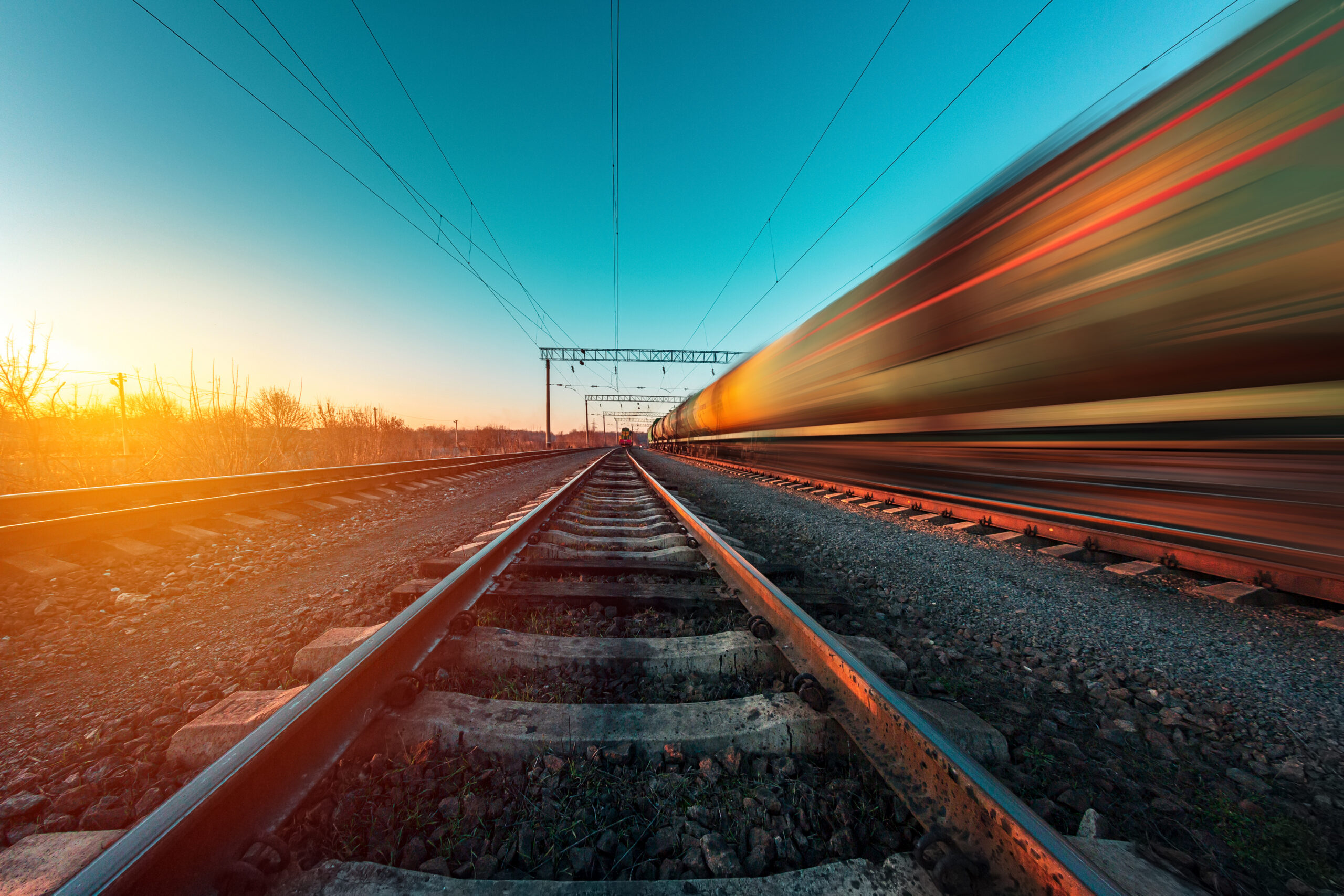
Why Awareness at Train Tracks Matters for Every Driver
Railroad crossings are a routine part of many roadways, but they remain one of the most serious and often underestimated driving hazards for both commercial and personal vehicle operators. A moment of distraction, impatience, or poor judgment near train tracks can quickly lead to devastating consequences.
Unlike other vehicles on the road, trains cannot stop quickly. Due to their size, speed, and weight, trains may require more than a mile to come to a complete stop after emergency braking is applied. This makes driver awareness and decision-making at railroad crossings critically important.
Safe Practices for All Drivers
Every driver should approach railroad crossings with caution and attention. Flashing lights, crossing gates, and warning signals should never be ignored or bypassed—even if a train is not immediately visible.
Drivers should:
- Slow down and stay alert near railroad crossings
- Never attempt to drive around lowered crossing gates
- Avoid stopping on tracks during traffic congestion
- Eliminate distractions such as phones or navigation adjustments
- Look both directions before proceeding through crossings
Weather conditions, limited visibility, and unfamiliar roads can make crossings even more dangerous, especially at night or during heavy rain.
Additional Risks for Commercial Vehicles
Commercial drivers face additional challenges due to vehicle size, stopping distance, cargo weight, and maneuverability. Trucks, buses, and vehicles hauling trailers may require extra space and time when crossing tracks.
Drivers should ensure there is enough clearance beyond the tracks before proceeding and remain aware of low ground clearance or oversized loads that could become stuck at crossings.
Fleet organizations should reinforce railroad crossing awareness through driver training, route planning, and defensive driving expectations.
Awareness Saves Lives
Many railroad crossing incidents are preventable. Safe driving habits, patience, and attention near train tracks help protect drivers, passengers, rail workers, and surrounding communities.
Whether operating a passenger vehicle or a commercial fleet, every driver shares responsibility for making safe decisions at railroad crossings. A few extra seconds of caution can make all the difference.