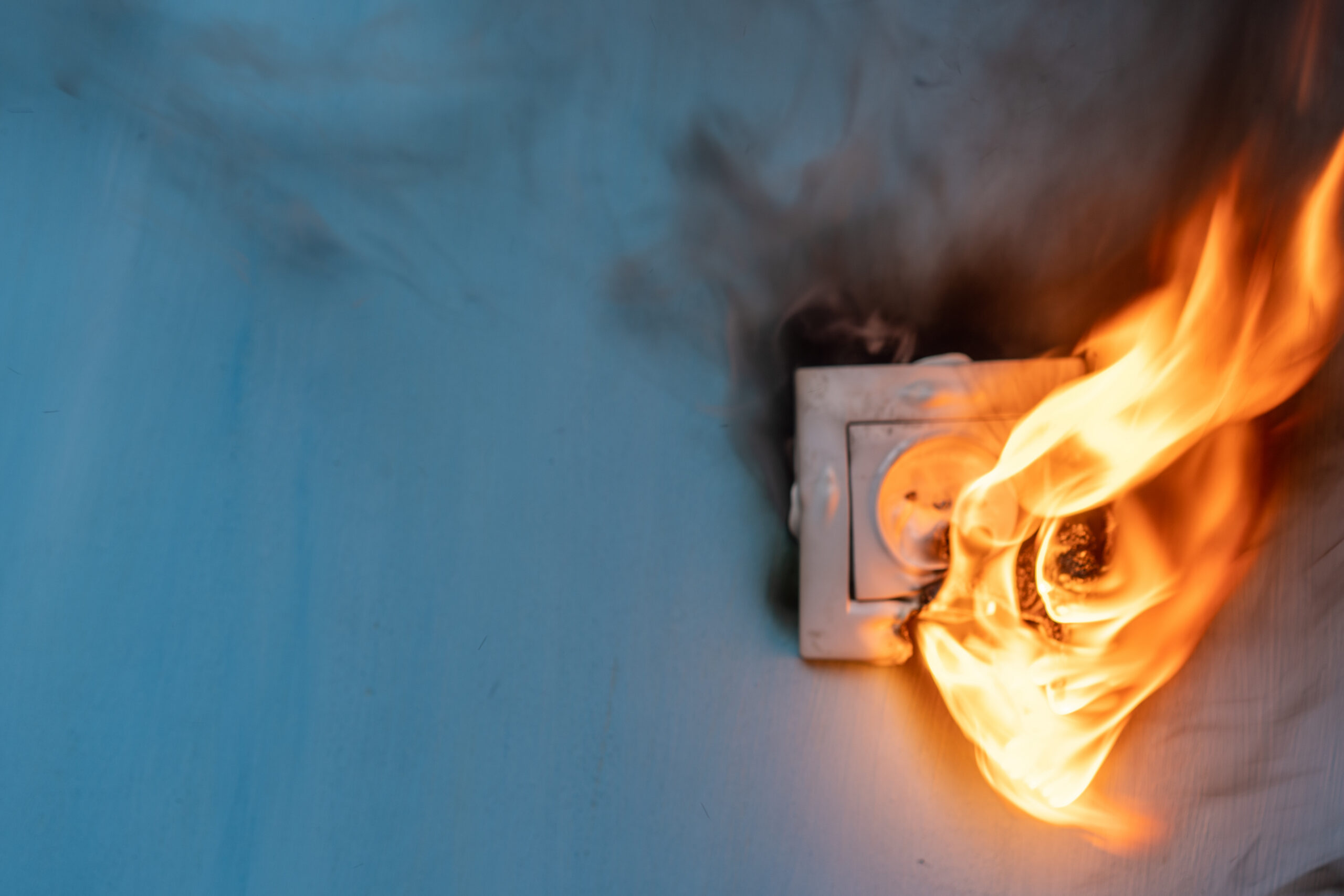
Electrical hazards remain one of the leading causes of preventable fires in both residential and commercial settings. According to the National Fire Protection Association, electrical failures and malfunctions consistently rank among the top contributors to structure fires. While many incidents are labeled “accidental,” most are tied to overlooked maintenance, overloaded systems, or improper response to warning signs.
Preventing Electrical Fires
Prevention begins with awareness. Frayed cords, flickering lights, warm outlets, frequent breaker trips, and unexplained burning smells are early indicators of electrical stress. These signs should never be ignored.
For both homes and businesses:
-
Avoid overloading outlets and power strips.
-
Use surge protectors for sensitive equipment.
-
Replace damaged cords immediately—never tape or patch them.
-
Ensure extension cords are temporary solutions, not permanent wiring.
-
Schedule regular inspections of electrical panels and wiring, especially in older buildings.
In commercial settings, additional risks often stem from high-powered equipment, temporary jobsite wiring, and unauthorized modifications. Only qualified electricians should perform installations or repairs, and electrical panels must remain clearly labeled and accessible.
Managing Sparks and Electrical Warning Signs
Sparks when plugging in devices can signal loose wiring, short circuits, or moisture exposure. If sparking becomes frequent or visible behind outlets or switches, power should be shut off at the breaker and inspected immediately. Delaying action can allow small faults to escalate into fires behind walls.
Routine maintenance, load assessments, and proactive replacement of aging components significantly reduce the likelihood of ignition.
Safely Responding to Electrical Fires
Electrical fires require a different response than ordinary fires. Never use water on an energized electrical fire, as water conducts electricity and increases shock risk. Instead:
-
Disconnect power if it is safe to do so.
-
Use a Class C fire extinguisher designed for electrical fires.
-
Evacuate immediately if the fire spreads or power cannot be safely isolated.
-
Contact emergency services without delay.
Electrical safety is not solely a maintenance issue—it is a behavior and awareness issue. Regular inspections, proper equipment use, and clear emergency procedures help prevent minor electrical problems from becoming major incidents. In both homes and businesses, early action remains the strongest defense against electrical fire risk.