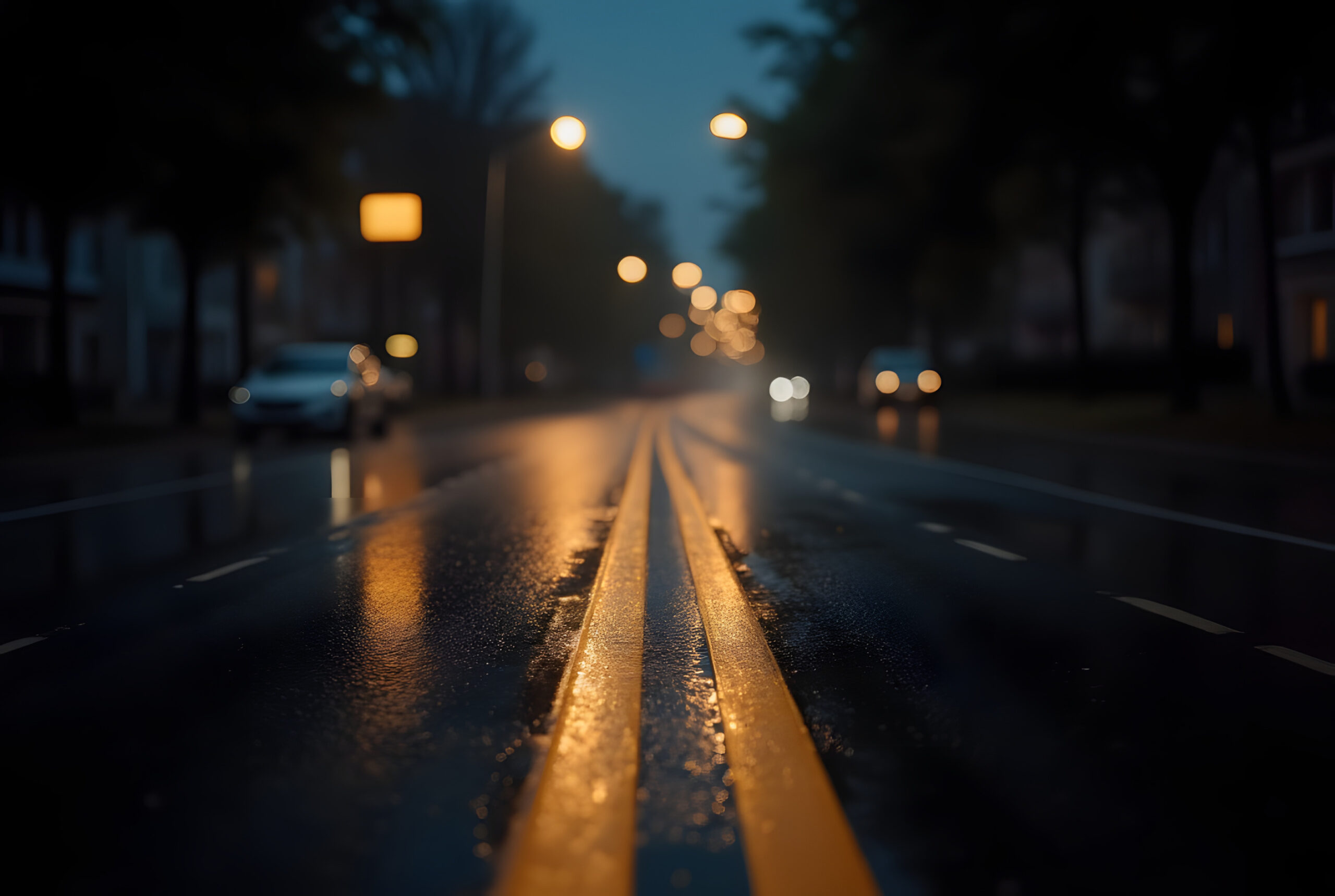
As daylight hours shrink through late fall and winter, fleet drivers face increased risks on the road. Darkness affects depth perception, reaction time, and overall visibility—raising the likelihood of collisions and near-miss incidents. Supporting drivers during these darker months is essential to maintaining safety and operational reliability.
Reduced Visibility & Increased Hazards
Night driving amplifies common hazards:
-
Glare from headlights decreases visibility and slows reaction time.
-
Limited depth perception makes it harder to judge speed and distance.
-
Pedestrians and cyclists are more difficult to see after dark.
-
Wildlife crossings increase during dawn and dusk transitions.
Shorter days mean more driving occurs in these higher-risk conditions.
Fatigue: The Silent Risk
The darker months often bring disrupted sleep patterns and early-day drowsiness. Fatigue is one of the leading contributors to night-driving incidents, especially among long-haul and shift-based fleet workers.
How Businesses Can Support Drivers
Organizations can significantly reduce risk by:
-
Conducting seasonal night-driving refreshers
-
Encouraging proper rest and realistic scheduling
-
Using telematics to identify nighttime harsh braking, speeding, or distraction
-
Ensuring headlights, taillights, and reflective markings are functional
-
Offering anti-glare visor training and defensive-night-driving strategies
Supporting drivers with the right tools and awareness prepares them for the challenges of low-light conditions.