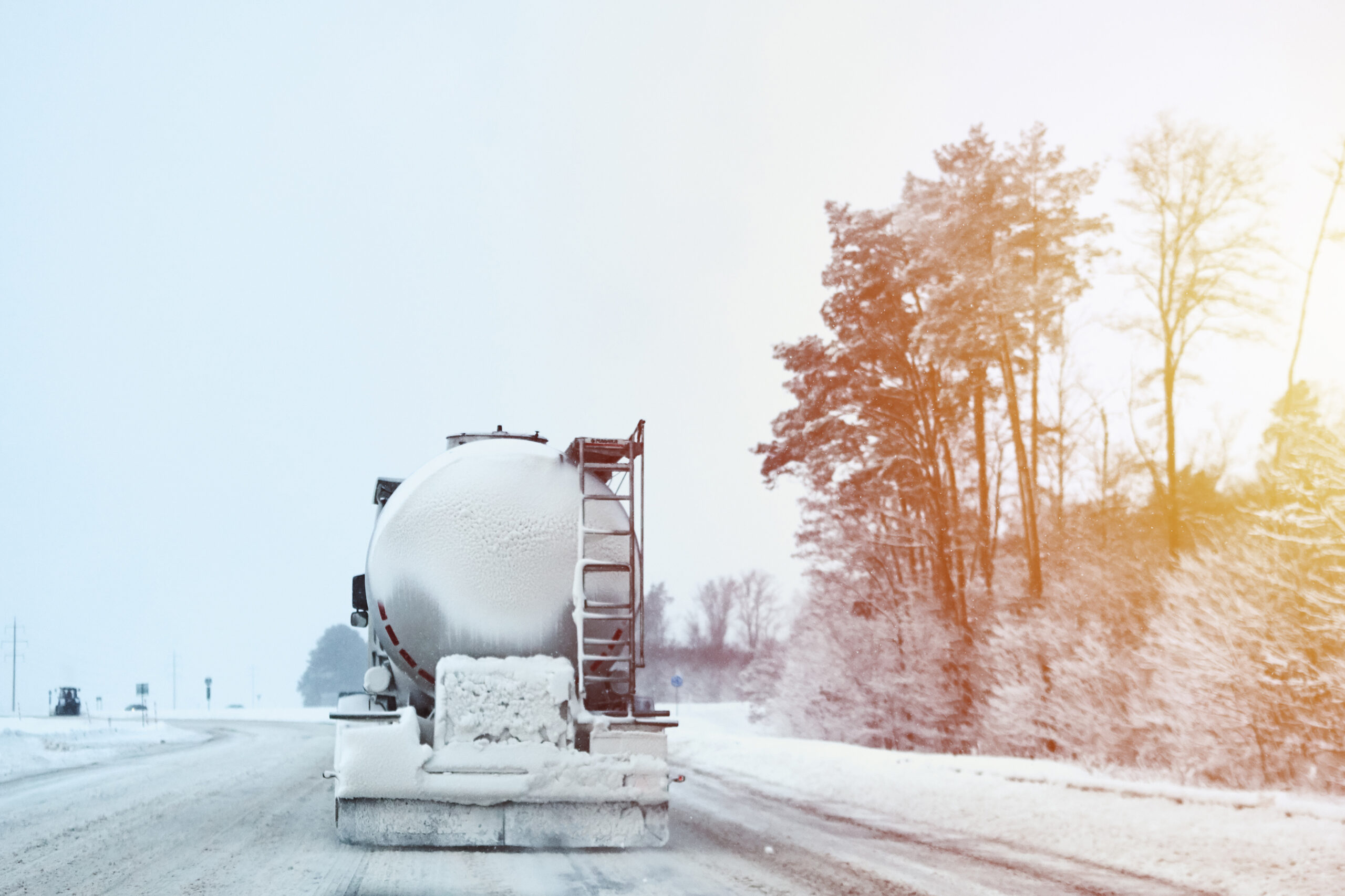
As temperatures drop, winter becomes one of the most challenging seasons for fleet operations. Cold weather strains equipment, reduces visibility, increases collision risk, and creates conditions that demand more from drivers and vehicles. A strong winterization strategy not only protects your fleet—it strengthens operational reliability and keeps employees safe throughout the harshest months of the year.
Battery Performance in the Cold
Cold temperatures significantly reduce battery capacity. Diesel trucks, EV fleets, and mixed-vehicle operations are especially vulnerable. Winterizing should include:
-
Battery load testing
-
Ensuring proper cold-cranking amps
-
Monitoring EV battery health and preconditioning settings
Proactive checks prevent early-morning no-starts and roadside breakdowns.
Tires, Traction & Braking
Tires lose pressure as temperatures fall. Reduced traction on snow, ice, and packed slush increases stopping distances and impacts control. Fleet preparation should include:
-
Tire pressure monitoring
-
Winter-rated tires where appropriate
-
Brake inspections for wear, corrosion, and responsiveness
These measures enhance stability and reduce collision likelihood.
Fluids, DEF & Engine Protection
Cold weather can thicken fluids and compromise engine performance. Winterization steps should involve:
-
Switching to winter-grade oil
-
Checking coolant ratios
-
Ensuring DEF doesn’t crystallize in freezing temperatures
-
Verifying that fuel systems are treated to prevent gelling
Routine checks keep engines responsive and efficient in low temperatures.
Telematics for Winter Preparedness
Telematics plays a crucial role in winter safety:
-
Monitoring harsh braking or slippery-road driving behavior
-
Identifying cold stress on engine components
-
Tracking battery voltage and predictive maintenance indicators
-
Providing visibility into high-risk winter routes
Data equips managers with proactive insights to support both fleet and driver safety.
Protecting Drivers
Winter fleet readiness is incomplete without emphasizing driver safety. Provide:
-
Winter emergency kits
-
Updated route planning
-
Communication protocols
-
Refreshers on winter driving techniques
When fleets and drivers are both prepared, winter becomes manageable—not unpredictable.