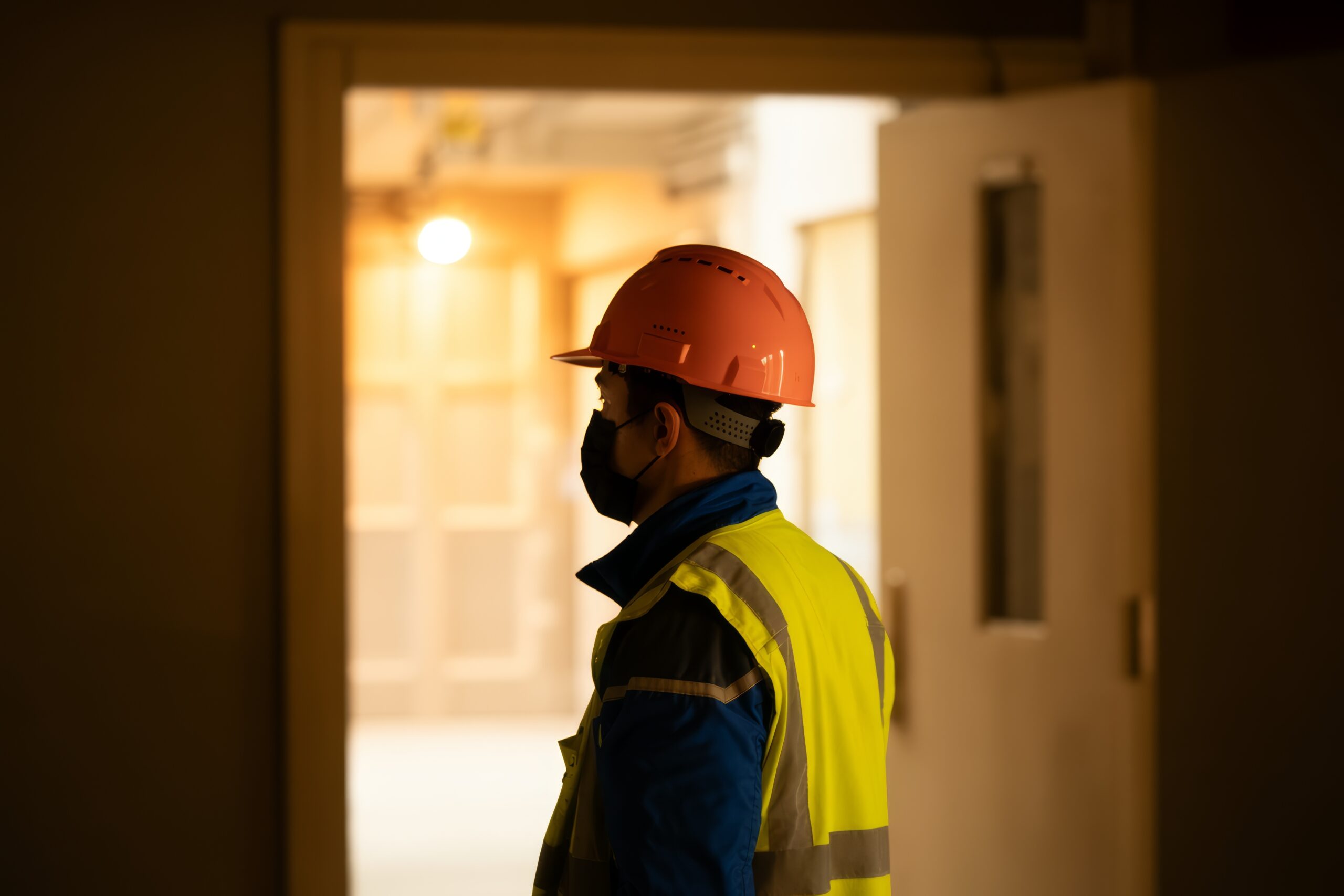
Air quality is one of the most overlooked aspects of workplace safety, yet it directly impacts employee health, productivity, and long-term well-being. From dust and fumes in industrial settings to poor ventilation in offices, unsafe air can lead to respiratory issues, chronic illness, and costly regulatory violations. Employers have a responsibility to monitor air quality and provide proper protection to keep workers safe.
Understanding Air Quality Risks
Dust, chemical fumes, mold, and inadequate ventilation are common hazards across industries. In construction, manufacturing, and energy, airborne particles can cause lung damage or trigger conditions such as asthma and silicosis. Even in office environments, poor ventilation and allergens can affect concentration, increase sick days, and reduce productivity.
Regulations and Responsibilities
OSHA standards require employers to identify air quality risks and provide appropriate protective measures. This includes evaluating exposure levels, implementing engineering controls (such as ventilation or dust suppression), and supplying personal protective equipment (PPE) when needed. Regular inspections and air monitoring ensure compliance and create safer work environments.
The Role of PPE and Masks
When ventilation and controls aren’t enough, masks and respirators become critical. Disposable masks, N95 respirators, or industry-specific respirators should be selected based on the hazard. Employers must train workers on proper fit, use, and maintenance, since even the best equipment fails without correct application.
Best Practices for Breathing Safety
-
Assess regularly: Conduct air quality testing in high-risk environments.
-
Control dust: Use water spray, ventilation systems, or localized extraction to reduce airborne particles.
-
Provide PPE: Ensure workers have access to properly rated masks and respirators.
-
Train employees: Teach correct PPE use and encourage reporting of respiratory symptoms.
-
Promote awareness: Remind employees that air quality risks are often invisible but always serious.
Breathing safety is fundamental to workplace health. By monitoring air quality, enforcing regulations, and equipping workers with proper PPE, employers can reduce risks, stay compliant, and protect their most valuable asset—their people. Clean air isn’t a luxury; it’s a necessity for safe, sustainable operations.