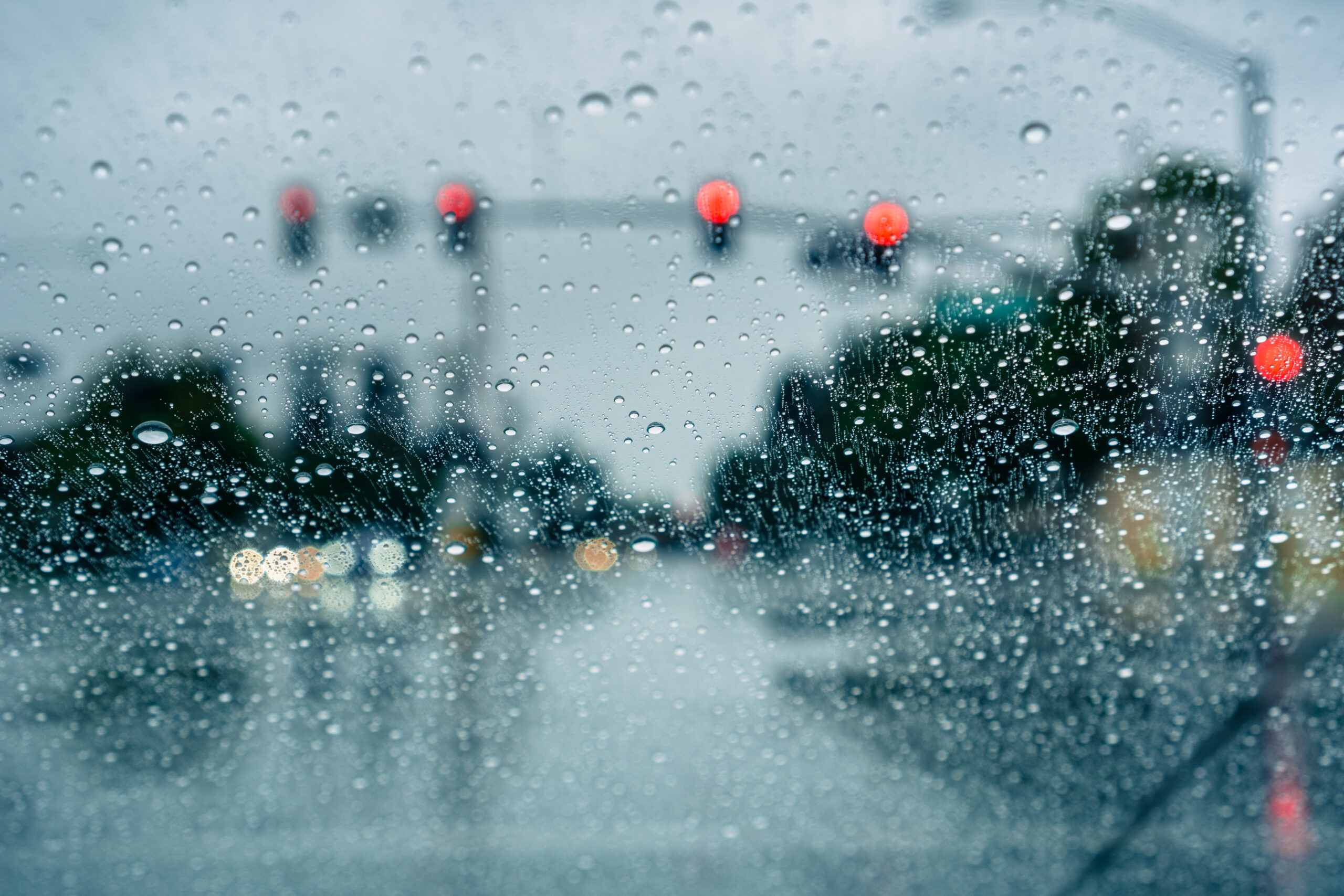
Holiday travel often means long stretches of highway, crowded roads, and tight schedules—but weather hazards can turn a fun getaway into a dangerous situation if you’re unprepared. From sudden storms to extreme heat, seasonal weather poses significant risks for both personal drivers and commercial fleets. Staying aware and prepared is essential for a safe journey.
Monitor Forecasts Before You Depart
Before heading out, check local and regional weather reports along your route. Sudden storms, flash flooding, or heatwaves can appear unexpectedly, so being informed allows you to plan detours, adjust departure times, or even delay travel if conditions are severe.
Adjust Driving for Weather Conditions
Rain, fog, high winds, and wet or icy roads reduce visibility and vehicle control. Slow down, maintain greater following distances, and turn on headlights in low-visibility conditions. For commercial drivers, ensure cargo is secured to prevent shifting in high winds or sudden stops.
Prepare Your Vehicle and Passengers
Check tire tread, brakes, wipers, and cooling systems before long trips. Pack essentials like water, blankets, a first-aid kit, and non-perishable snacks. For families or long-haul drivers, having emergency supplies can be crucial if you get stranded during a storm or traffic delay.
Stay Flexible and Communicate
Weather can change rapidly, so be ready to alter routes or schedules. Commercial fleets should utilize GPS and telematics to reroute vehicles away from dangerous conditions, while personal drivers can use traffic apps to avoid flooded or congested areas.
By staying aware of the weather, planning ahead, and taking precautionary measures, travelers can reduce the risk of accidents, vehicle damage, and delays. Weather awareness isn’t just a best practice—it’s a key part of protecting yourself, your passengers, and others on the road during holiday travel.