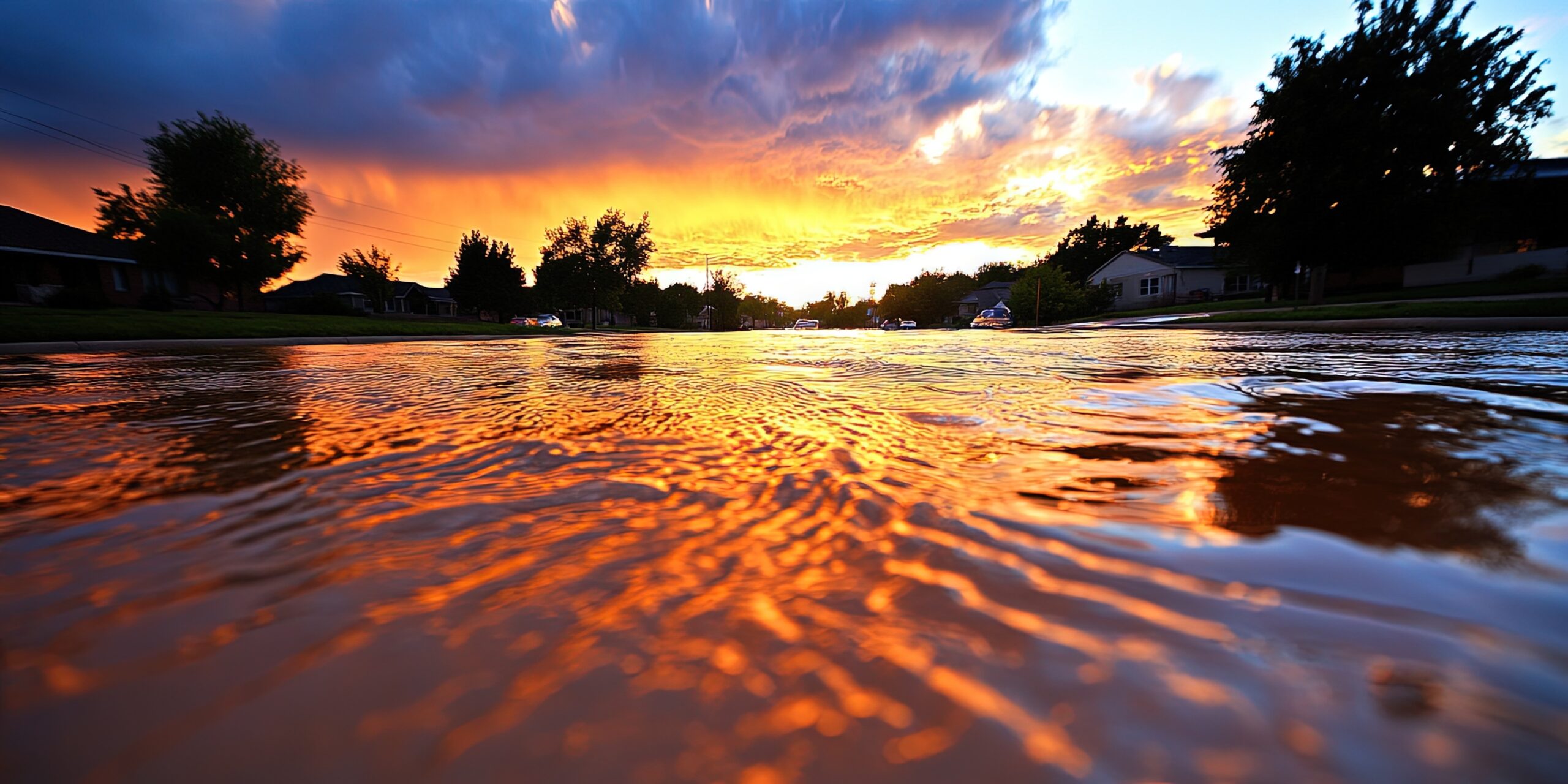
Flash floods are among the most dangerous weather events, striking quickly and often with little warning. Unlike river flooding, which develops over time, flash floods can occur within minutes or hours of heavy rainfall—especially in low-lying or urban areas where water can’t drain fast enough.
Why Flash Floods Are So Dangerous
-
Speed: Water levels can rise rapidly, overwhelming streets, drainage systems, and vehicles.
-
Force: Just 6 inches of moving water can knock a person off their feet, and 12 inches can carry away most cars.
-
Unpredictability: Flash floods can happen even in areas not directly experiencing rainfall, as runoff from distant storms surges downstream.
What to Do Before and During a Flash Flood
Stay Informed
-
Monitor local weather alerts and download apps that provide real-time emergency notifications.
-
Know if your area is prone to flooding—especially if you live near rivers, creeks, or in urban valleys.
Never Drive Through Flooded Roads
-
“Turn Around, Don’t Drown.” Even shallow water can be deadly.
-
Avoid underpasses and low spots where water collects quickly.
Have an Emergency Plan
-
Identify higher ground and evacuation routes.
-
Keep emergency kits in your vehicle and home, including flashlights, water, and chargers.
Act Fast if Water Rises
-
Move to higher ground immediately.
-
If water traps you in a car, abandon the vehicle if you can safely do so and seek higher ground.
Flash floods don’t give much warning—but a little preparation can go a long way. Stay weather-aware, avoid flooded roads, and prioritize safety over convenience. The risks are real, but they’re also avoidable with the right knowledge and action.