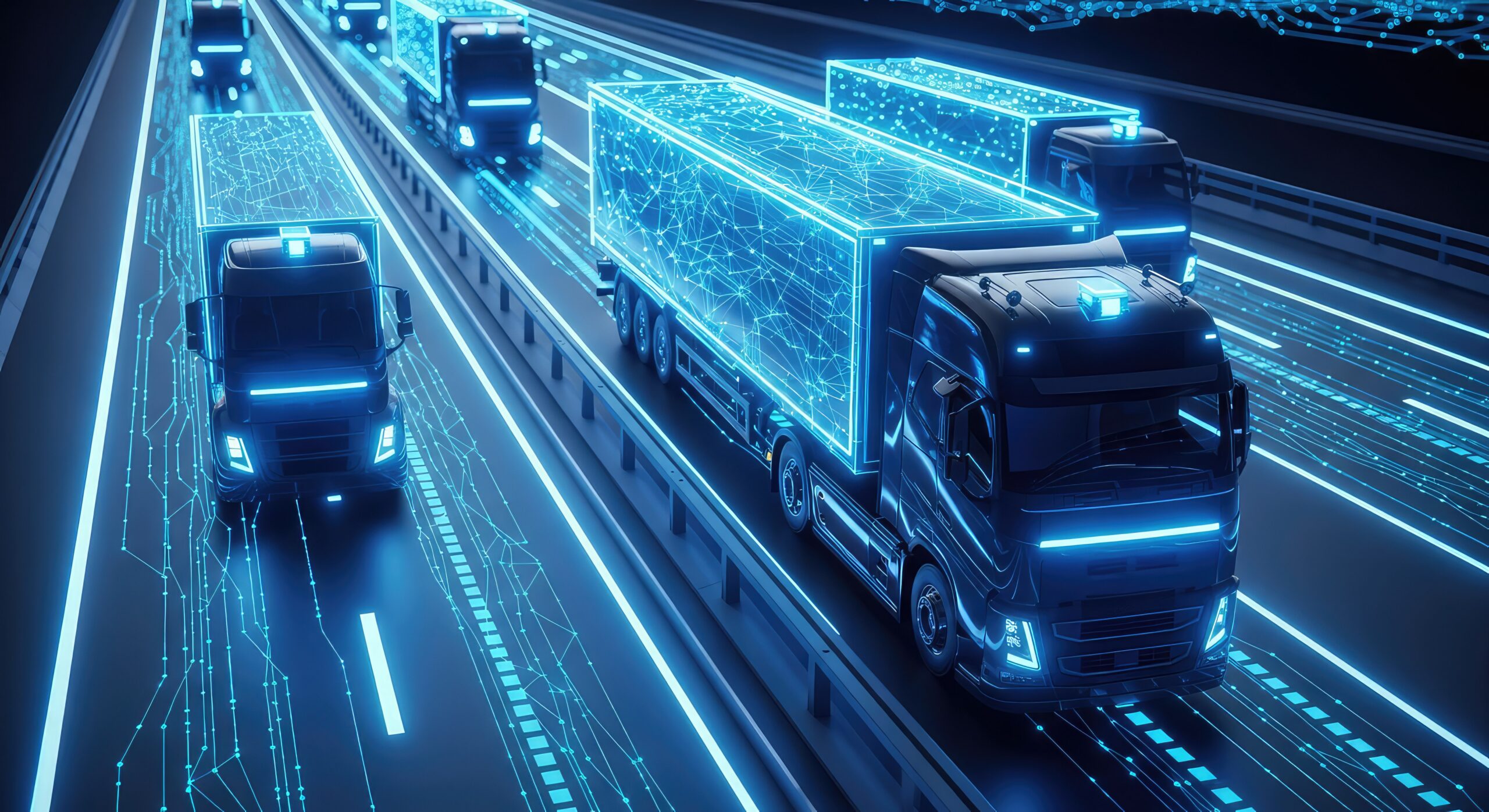
How Technology Is Creating Safer, Smarter Fleet Operations
Fleet management has evolved far beyond scheduling maintenance and tracking mileage. Today’s fleet managers have access to powerful technologies that improve visibility, support driver safety, and help organizations make more informed operational decisions.
Telematics, GPS tracking, artificial intelligence, dash cameras, and predictive maintenance platforms provide real-time insight into vehicle performance and driver behavior. This information helps organizations identify trends that may affect safety, productivity, and overall fleet performance.
Driver safety remains one of the most important priorities for any fleet. Technologies such as AI-assisted cameras and telematics can identify behaviors like speeding, harsh braking, rapid acceleration, distracted driving, and seat belt usage. Rather than serving as disciplinary tools, these technologies provide valuable coaching opportunities that help drivers build safer habits behind the wheel.
Fleet management technology also supports preventative maintenance. By monitoring engine performance, tire pressure, fluid levels, and diagnostic information, organizations can address maintenance concerns before they lead to unexpected breakdowns or operational disruptions.
The benefits extend beyond the vehicles themselves. Digital fleet management systems improve dispatching, route planning, fuel management, inspection reporting, and maintenance scheduling, helping organizations maintain greater visibility across their entire operation.
Technology alone, however, cannot replace a strong safety culture. Organizations should continue investing in driver education, defensive driving programs, regular communication, and leadership support to ensure technology is used as a resource for continuous improvement.
As fleets become increasingly connected, businesses that embrace modern fleet management technology are better positioned to improve operational efficiency, strengthen safety programs, support regulatory compliance, and provide more reliable service to their customers.