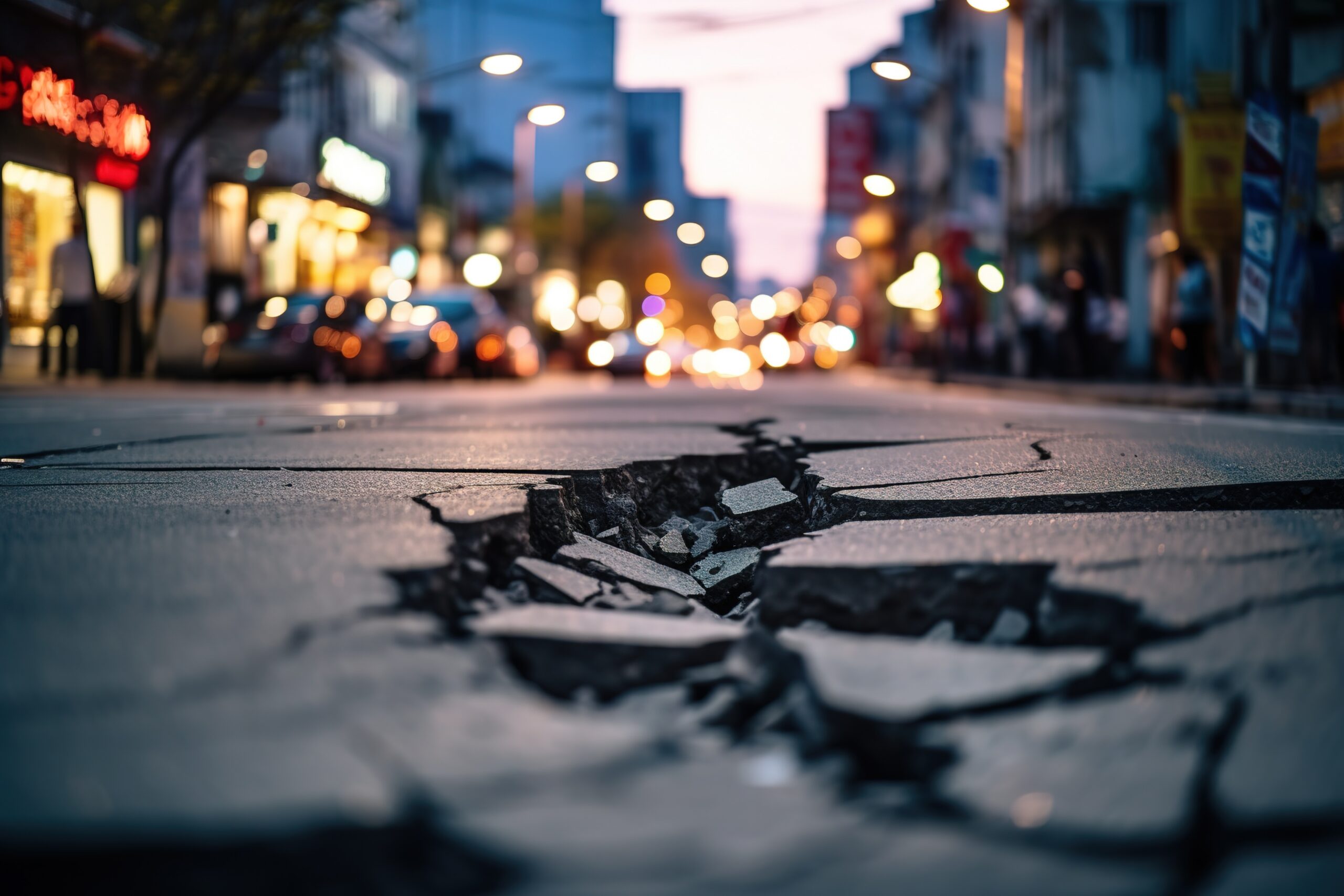
Understanding the Risks and Building Safer Habits Before the Ground Shakes
Earthquakes can occur with little or no warning, making them one of the most unpredictable natural hazards. While they are most commonly associated with the West Coast, earthquakes can occur in many regions of the United States, including parts of Alaska, Hawaii, the Pacific Northwest, the Intermountain West, and even areas along the central and eastern U.S. such as the New Madrid Seismic Zone.
Because there is often little time to react once shaking begins, preparation is one of the most effective ways to reduce injuries, protect property, and support business continuity.
Understanding the Risks
An earthquake can create a variety of hazards beyond the initial shaking. Falling furniture, broken glass, damaged utilities, structural damage, and power outages can all affect homes, workplaces, and public spaces. In some areas, earthquakes may also trigger landslides, fires, or localized flooding caused by damaged infrastructure.
For businesses, these events can interrupt operations, damage equipment, delay deliveries, and temporarily displace employees. Even organizations located outside high-risk seismic zones should understand how an earthquake could affect suppliers, transportation routes, or customers in other parts of the country.
Prepare Before an Earthquake Occurs
The best time to prepare is before an emergency happens.
At home and in the workplace, secure heavy furniture, shelving units, televisions, and filing cabinets to walls whenever possible. Store heavier items on lower shelves to reduce the chance of them falling during shaking, and keep exit routes clear of unnecessary obstacles.
Businesses should inspect facilities regularly and identify items that could become hazards during an earthquake. Equipment, machinery, and storage systems should be properly secured, particularly in warehouses, manufacturing facilities, and office environments.
Emergency kits should be stocked with water, nonperishable food, flashlights, batteries, first aid supplies, and important contact information. Organizations should also maintain backup power solutions where appropriate and ensure critical business data is regularly backed up and accessible.
Know What to Do During an Earthquake
If an earthquake occurs, experts recommend following the familiar guidance: Drop, Cover, and Hold On.
Drop to your hands and knees to prevent being knocked over. Take cover beneath a sturdy desk or table if one is available, or protect your head and neck with your arms if shelter is not nearby. Hold on until the shaking stops, as furniture may shift during the event.
Stay indoors if you are already inside. Avoid windows, glass doors, elevators, and large objects that could fall. If you are outside, move to an open area away from buildings, trees, utility poles, and power lines.
Drivers should pull over to a safe location away from bridges, overpasses, utility lines, and buildings whenever possible. Remain inside the vehicle until the shaking has ended.
Prepare Your Business for Recovery
Business preparedness extends beyond the initial emergency.
Organizations should have a business continuity plan that identifies emergency contacts, communication procedures, alternate work locations, and recovery priorities. Employees should understand evacuation procedures, assembly locations, and how leadership will communicate following a significant event.
Routine emergency drills and training sessions help ensure employees are familiar with these procedures before an emergency occurs.
Businesses should also review insurance coverage periodically to understand what protections are available for property damage, business interruption, and other earthquake-related exposures where applicable.
Technology Can Support Emergency Response
Modern technology can play an important role before, during, and after an earthquake.
Emergency notification systems, cloud-based backups, remote collaboration platforms, and building monitoring systems can help organizations communicate with employees, protect important information, and support recovery efforts. Mobile weather and emergency alert applications can also provide valuable updates as conditions change.
While technology enhances preparedness, it should complement—not replace—well-developed emergency plans and employee training.
Preparation Makes the Difference
Although earthquakes cannot be prevented, their impact can often be reduced through planning, awareness, and preparation.
Securing facilities, developing emergency procedures, maintaining emergency supplies, and educating employees about proper response techniques all contribute to a safer and more resilient organization.
Natural disasters are unpredictable, but preparedness is entirely within our control. Taking steps today can help protect your people, your property, and your business when every second matters.