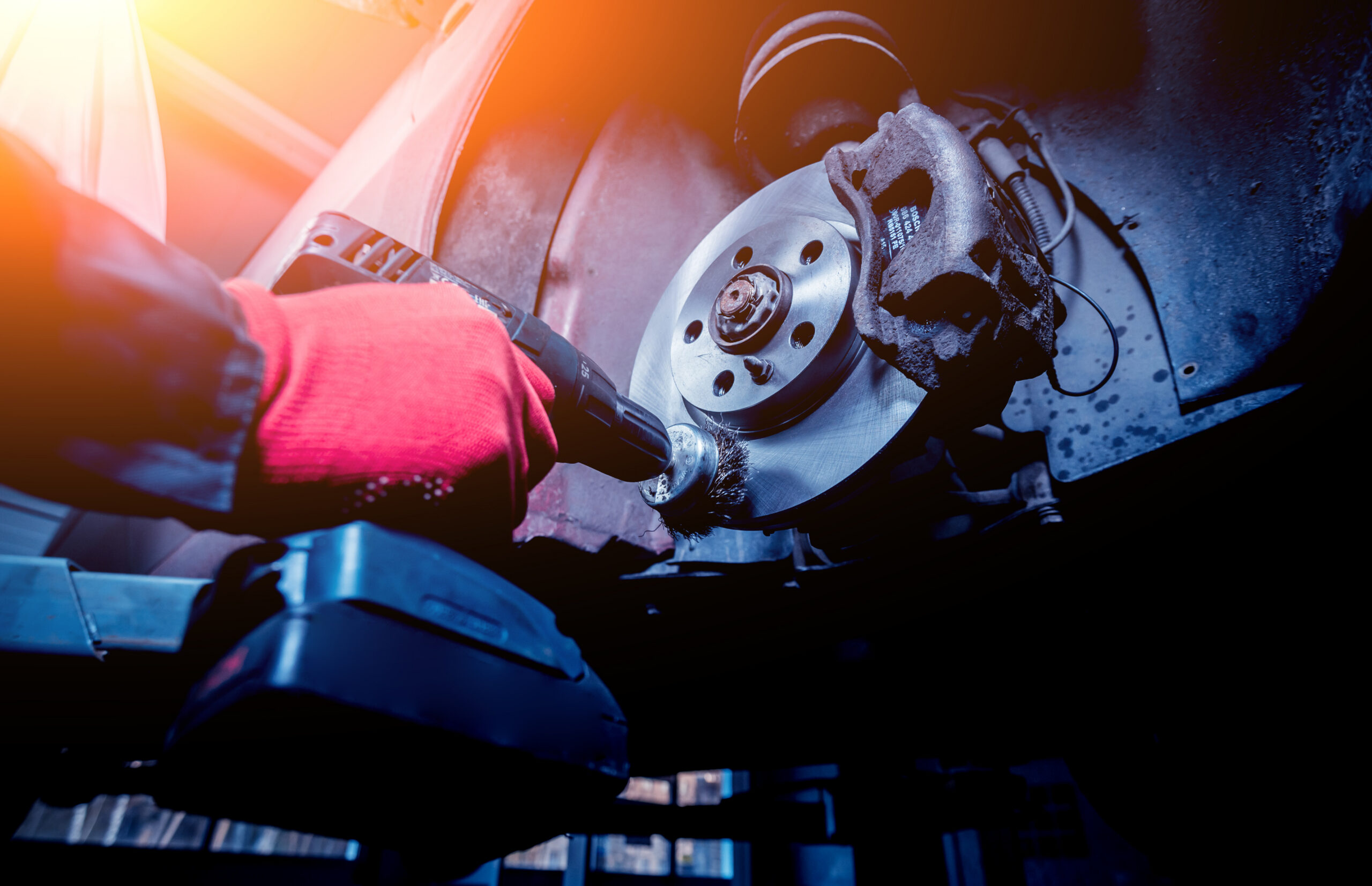
Why Your Brakes Deserve Attention Before the Busy Fall Travel Season
August is Brake Safety Awareness Month, making it the perfect time to focus on one of the most important safety systems in any vehicle. Whether you’re driving a personal vehicle, managing a commercial fleet, or operating heavy equipment, properly functioning brakes are essential for protecting drivers, passengers, pedestrians, and everyone sharing the road.
As summer vacations come to an end and schools reopen across the country, traffic volumes begin to increase. School buses return to their routes, daily commuters head back to the office, and families spend more time on the road. These changing driving conditions make dependable braking performance more important than ever.
Brakes Are Your First Line of Defense
Every time you press the brake pedal, you’re relying on a complex system of components working together to safely slow or stop your vehicle. Brake pads, rotors, calipers, brake fluid, and other components all play a critical role in maintaining safe stopping distances.
Over time, these parts naturally wear down. If routine inspections and maintenance are delayed, braking performance can gradually decline without drivers immediately noticing a problem.
Because brake wear often happens slowly, many drivers adapt to the changes without realizing their vehicle is no longer stopping as effectively as it should.
Know the Warning Signs
Your vehicle will often provide early warning signs when brake service is needed. Paying attention to these indicators can help prevent more serious problems and improve overall roadway safety.
Common warning signs include unusual squealing or grinding noises, vibrations or shaking while braking, a soft or spongy brake pedal, longer stopping distances, or a brake warning light appearing on the dashboard.
If you notice any of these symptoms, schedule a professional inspection as soon as possible. Addressing brake issues early can help prevent additional wear to other braking components and reduce the risk of unexpected failures.
Fleet Safety Starts with Preventive Maintenance
For businesses operating commercial vehicles, brake maintenance is an essential part of a comprehensive fleet safety program.
Routine inspections should include brake components as part of regular preventive maintenance schedules. Drivers should also be encouraged to report unusual sounds, changes in braking performance, or warning lights immediately rather than waiting until the next scheduled service.
Combining routine maintenance with thorough pre-trip and post-trip inspections helps organizations identify potential concerns before they affect vehicle safety or operational reliability.
Drive Defensively
Even with properly maintained brakes, safe driving habits remain essential. Maintaining a safe following distance, reducing speed during rain or heavy traffic, avoiding distractions, and anticipating traffic conditions all reduce unnecessary strain on braking systems while improving overall roadway safety.
Defensive driving gives both the driver and the vehicle more time to react when unexpected situations occur.
A Small Inspection Can Make a Big Difference
Brake problems often develop gradually, making routine inspections one of the simplest and most effective ways to improve vehicle safety. Taking a few minutes to have your brakes professionally inspected can help identify worn components before they become larger concerns.
As Brake Safety Awareness Month serves as an annual reminder, regular brake maintenance isn’t just about extending the life of your vehicle—it’s about protecting lives.
Whether you’re preparing for daily commutes, commercial deliveries, or weekend travel, making brake safety a priority helps ensure every trip ends safely.