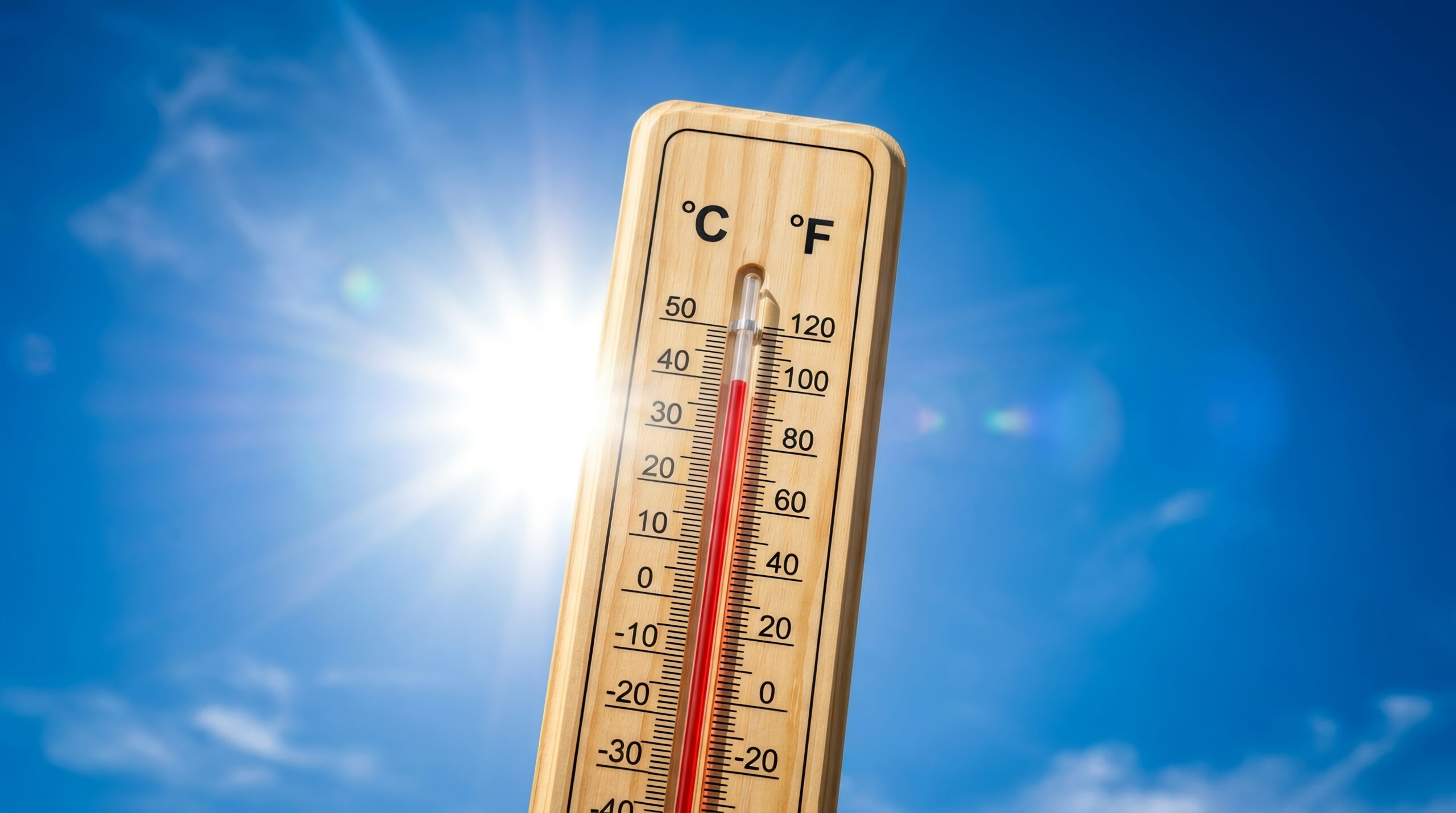
Preparing Operations for Seasonal Challenges
As summer begins, businesses face a unique set of operational and environmental risks that can impact employees, equipment, transportation, and daily operations. Warmer temperatures, increased travel, severe weather, and changing work routines all create conditions that require additional awareness and preparation.
Effective summer risk management starts with recognizing how seasonal conditions can influence safety and performance across an organization.
Heat and Employee Safety
High temperatures and humidity can affect employee focus, hydration, and physical performance—especially for outdoor workers or physically demanding operations. Heat stress, dehydration, and fatigue can increase the likelihood of mistakes and workplace incidents.
Employers should encourage regular hydration, provide shaded or cooled break areas, and monitor employees for signs of heat-related illness. Adjusting schedules during peak heat hours can also help reduce exposure.
Vehicle and Equipment Readiness
Summer conditions place additional strain on vehicles and equipment. Tire blowouts, overheating engines, battery failures, and cooling system issues become more common during periods of extreme heat.
Routine inspections and preventive maintenance are essential. Businesses should review fleet readiness, inspect HVAC systems, and ensure critical equipment is functioning properly before temperatures rise further.
Severe Weather and Business Continuity
Summer storms, flooding, hurricanes, and power outages can disrupt operations with little warning. Organizations should review emergency procedures, backup power systems, communication plans, and continuity strategies ahead of severe weather events.
Preparedness includes verifying emergency contacts, securing important records, and ensuring employees understand response procedures during outages or weather emergencies.
Cybersecurity and Travel Awareness
Summer travel season can also introduce increased cybersecurity exposure. Employees working remotely, traveling, or connecting to public Wi-Fi networks may unknowingly create security vulnerabilities.
Reinforcing cybersecurity awareness, secure device usage, and travel-related digital safety practices helps reduce risk while employees are on the move.
Seasonal Awareness Supports Operational Stability
Summer risk management is not about reacting after problems occur—it is about preparing before conditions change. Organizations that proactively address seasonal exposures are often better positioned to maintain safety, operational consistency, and resilience throughout the summer months.