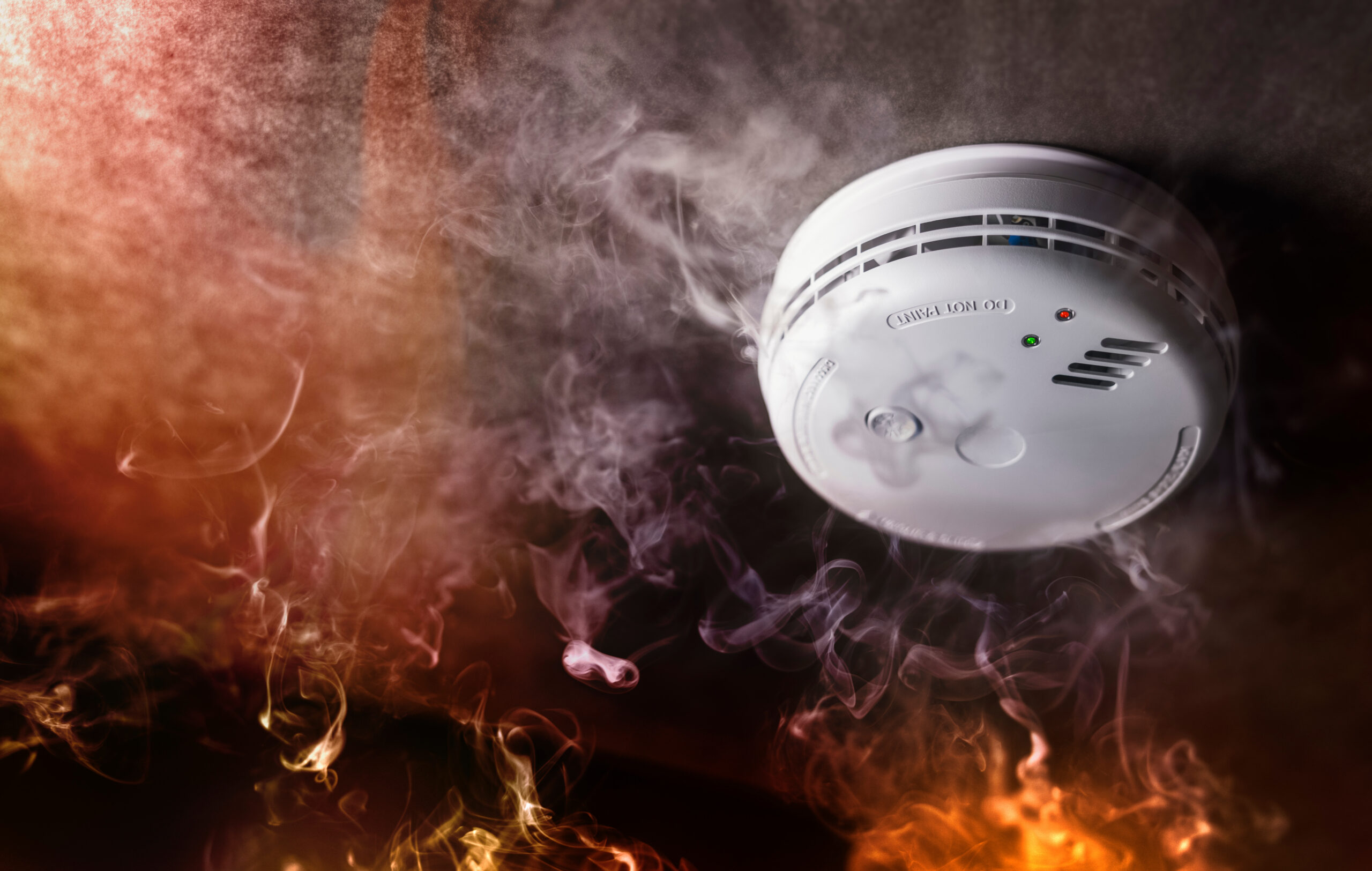
Preparing for Air Quality and Wildfire Impacts
Wildfire smoke and poor air quality are becoming more common across many parts of the country, even in regions far from active fires. As environmental conditions shift, businesses are increasingly being affected by smoke-related disruptions that impact employees, operations, and facility conditions.
Smoke exposure creates both health and operational concerns. Poor air quality can affect breathing, visibility, concentration, and overall employee well-being—especially for outdoor workers or individuals with respiratory conditions.
Businesses should evaluate how smoke conditions may impact operations before conditions worsen. HVAC systems, air filtration, and ventilation strategies should be reviewed to ensure facilities can maintain indoor air quality as effectively as possible.
Organizations with outdoor operations should also develop contingency plans for periods of unhealthy air quality. This may include adjusting schedules, limiting outdoor activity, or providing protective equipment when appropriate.
Communication is equally important. Employees should understand how the organization will respond during poor air quality events and what precautions may be necessary.
Smoke readiness planning is becoming an increasingly important part of business continuity and environmental risk management. Proactive preparation helps organizations respond more effectively while supporting employee health and operational resilience.