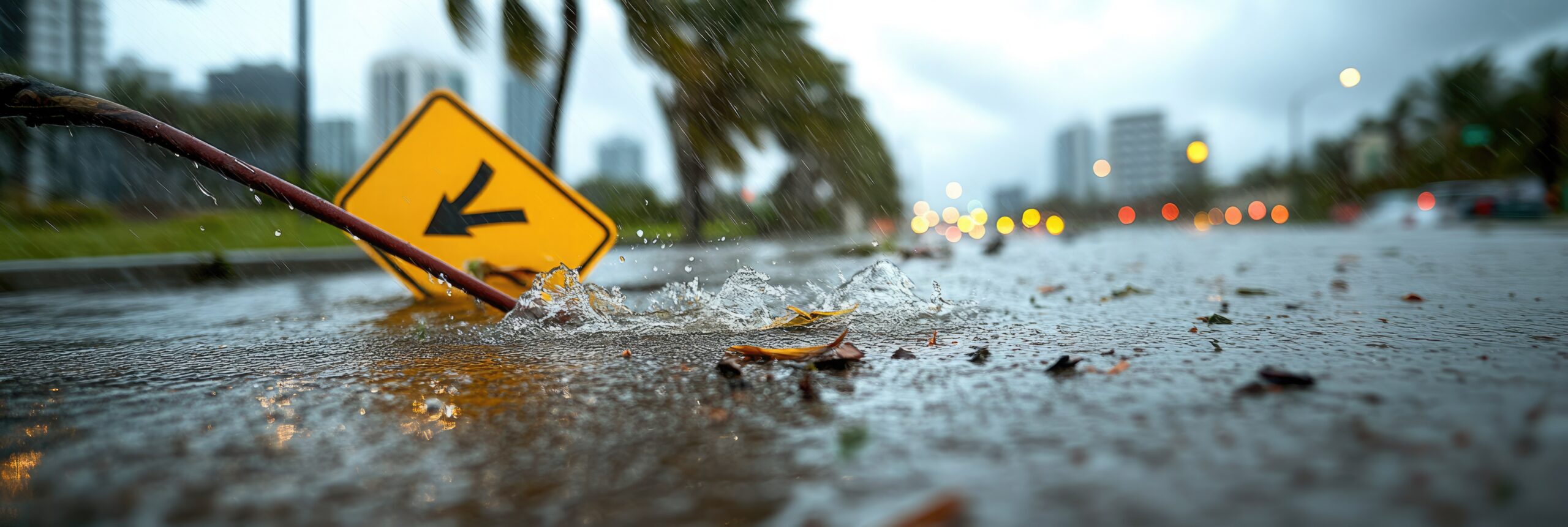
High-wind events are no longer rare, isolated incidents. From sudden gusts during routine storms to sustained winds from severe weather systems, wind exposure has quietly become one of the most underestimated risks for facilities and job sites. Unlike floods or fires, wind damage often occurs without warning—and without a clear owner responsible for prevention.
Falling objects are the most common consequence. Rooftop equipment, unsecured signage, temporary structures, construction materials, pallets, fencing, and even outdoor furniture can become projectiles in a matter of seconds. These incidents frequently result in employee injuries, third-party property damage, and costly liability claims—often during otherwise “normal” operations.
Many businesses assume wind risk is purely weather-related and therefore unavoidable. In reality, most wind-related losses are tied to preventable exposure. Improperly secured equipment, deferred maintenance, and informal storage practices dramatically increase the likelihood of damage. Rooftop units that haven’t been inspected, loose fixtures that passed initial installation checks, or temporary materials left unsecured at the end of a shift can all become hazards once winds increase.
Another overlooked factor is responsibility drift. When no single team owns exterior risk—facilities, operations, contractors, or vendors—critical details are missed. Wind doesn’t exploit policy gaps; it exploits assumption gaps.
Effective wind-risk management starts with visibility and ownership. Facilities should regularly assess exterior areas, rooftops, loading zones, and storage practices with wind exposure in mind—not just during storm season, but year-round. Procedures for securing materials before forecasted wind events should be standardized, documented, and practiced.
As wind events become more frequent and unpredictable, treating them as isolated acts of nature is no longer sufficient. Wind exposure is a facility risk, an operational risk, and a leadership risk—and it deserves the same attention as any other high-impact hazard.