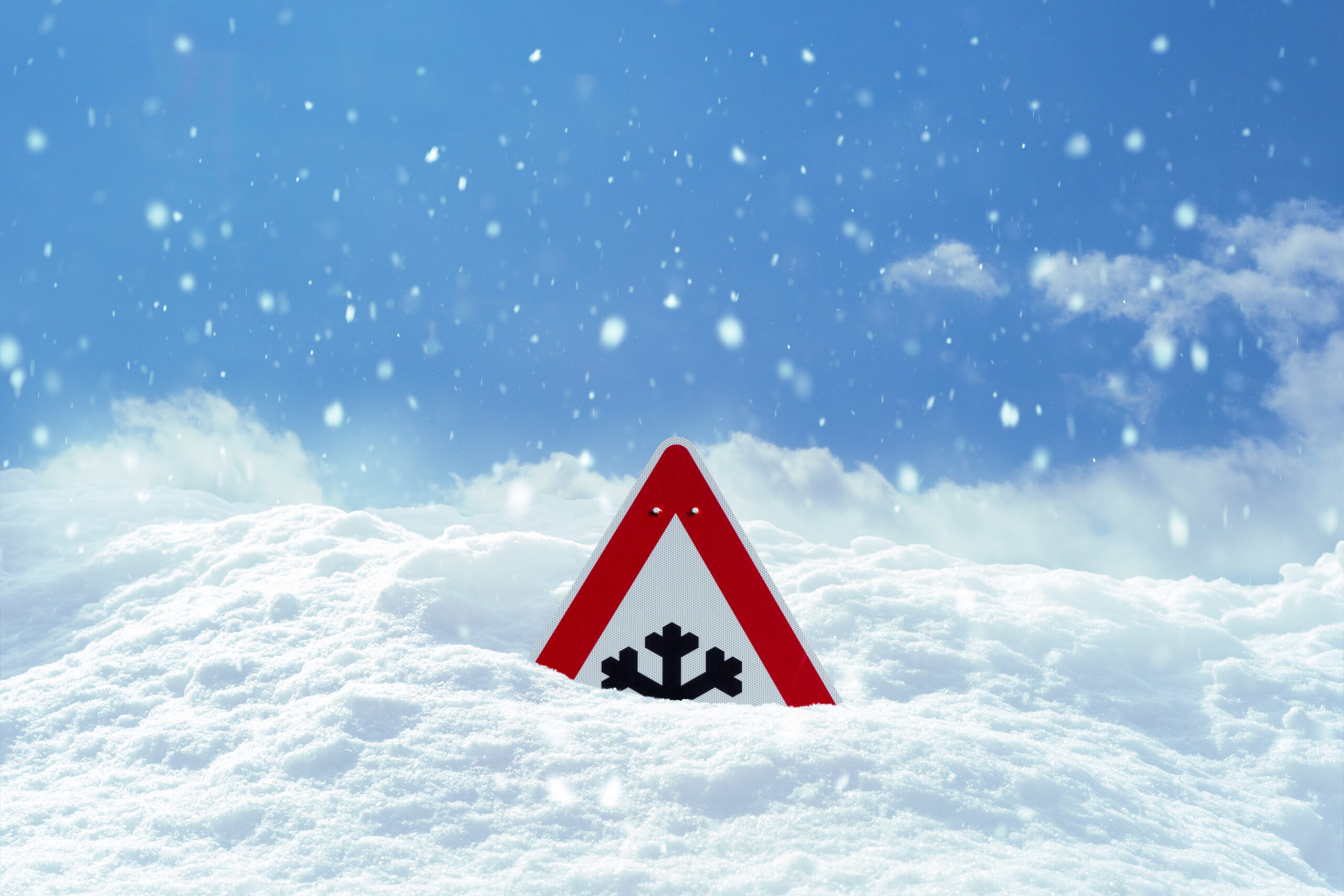
Winter storms can bring severe weather conditions that disrupt daily routines, impact business operations, and create serious safety risks. Snow, ice, freezing temperatures, and power outages all require preparation to protect people, property, and continuity.
For individuals, personal safety starts with awareness and planning. Monitoring weather forecasts, limiting travel during severe conditions, and dressing appropriately for cold exposure are essential. Slippery walkways and driveways should be cleared promptly and treated to reduce fall hazards. Keeping emergency supplies on hand—such as flashlights, batteries, blankets, food, and portable chargers—helps ensure safety if power or heat is lost.
Businesses face additional responsibilities during winter storms. Facility preparation is critical. Inspecting roofs, drainage systems, and heating equipment before storms arrive can help prevent damage and downtime. Snow and ice removal plans should be clearly defined, with attention to parking lots, entrances, and pedestrian walkways. Adequate lighting and visible signage further reduce risk during low-visibility conditions.
Employee safety and communication are equally important. Businesses should establish clear protocols for remote work, delayed openings, or closures when conditions become unsafe. Encouraging employees to avoid unnecessary travel and providing guidance for winter driving supports safer decision-making.
Fleet and delivery operations should adjust schedules, routes, and expectations during storms. Reduced speeds, increased following distance, and flexibility around delays help protect drivers and cargo.
Winter storms are unpredictable, but preparation is not. By prioritizing safety, planning ahead, and communicating clearly, individuals and businesses can reduce risk, protect operations, and navigate winter weather with greater confidence.