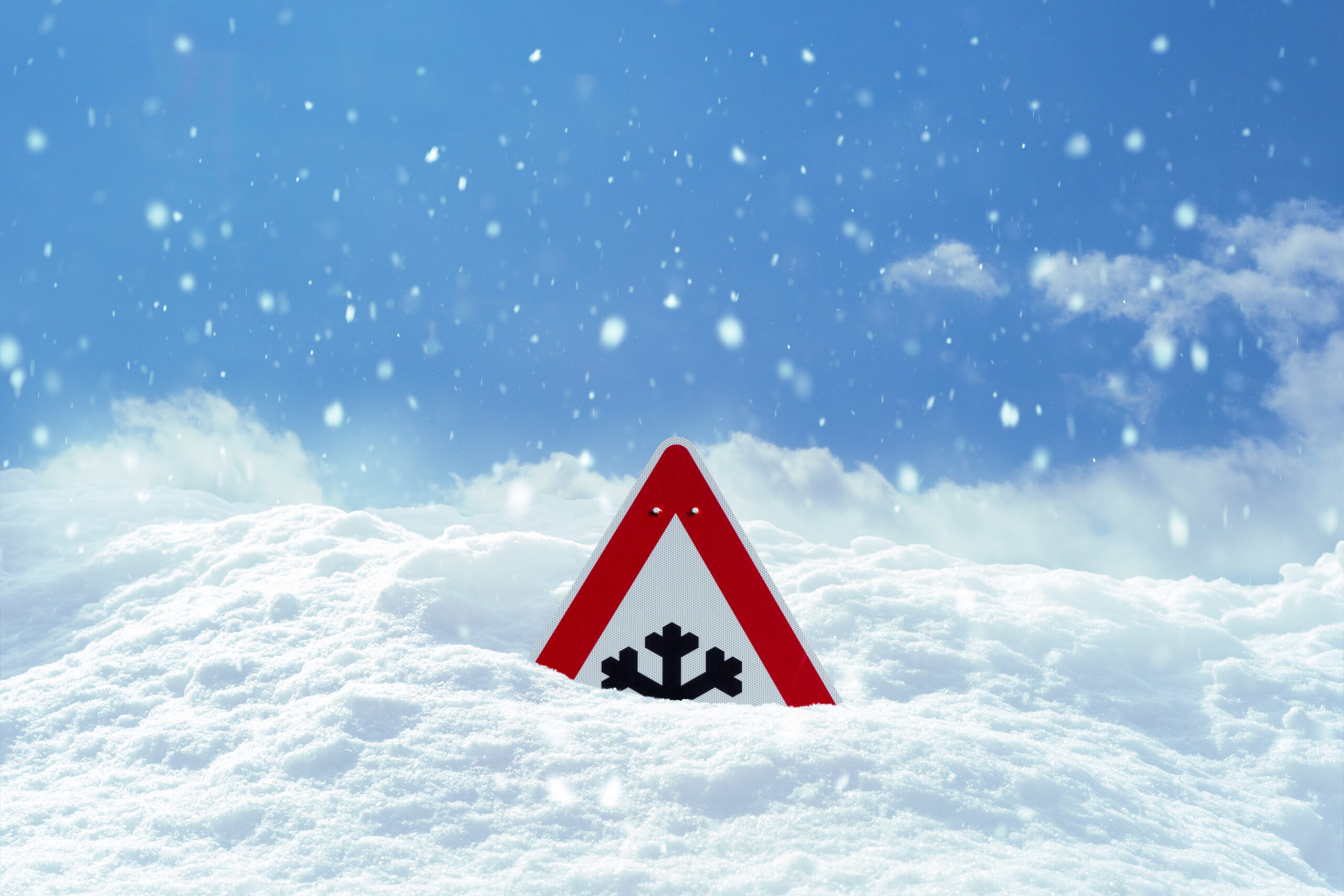
Snow may bring seasonal beauty, but it also introduces significant hazards for businesses, homeowners, and anyone responsible for property upkeep. From slippery surfaces and heavy accumulation to freezing temperatures and visibility issues, winter storms can impact safety, operations, and daily routines. Proper preparation—and proper removal—helps prevent injuries, property damage, and costly disruptions.
Preparing Your Business for Snow Season
Businesses face unique risks during snow and ice events. Proactive preparation protects employees, customers, and operations.
1. Conduct a Winter Hazard Assessment
Walk your property and identify high-risk areas:
-
Sidewalks and walkways
-
Parking lots and loading docks
-
Steps, ramps, and entryways
-
Rooftop drainage and overhangs
Understanding your layout helps you allocate resources effectively.
2. Stock Up on Winter Supplies
Before storms arrive, ensure you have:
-
Ice melt, salt, or sand
-
Shovels and snow pushers
-
Snowblowers or contracted plow service
-
Wet-floor and caution signage
-
Absorbent mats for entryways
Early preparation reduces scrambling during the first storm.
3. Create a Snow and Ice Response Plan
Assign clear responsibilities for pre-treatment, plowing, shoveling, and documentation. Ensure your plan includes:
-
Timely salting before freeze events
-
Overnight or early-morning coverage
-
Communication during closures or delayed openings
-
Proper logs for insurance and liability protection
Consistency is key to preventing slip-and-fall incidents.
Preparing Your Home for Winter Weather
Homeowners also face winter responsibilities. Proper preparation helps prevent accidents and unexpected expenses.
1. Clear Outdoor Pathways and Driveways
Maintain safe access by regularly removing snow and ice. Use ice melt after every storm and check high-traffic steps and landings.
2. Inspect Heating Systems
Before temperatures drop, schedule maintenance for furnaces, boilers, and fireplaces. Keep vents clear and change filters for efficiency and safety.
3. Protect Pipes From Freezing
Insulate exposed pipes and keep indoor areas warm enough to prevent freezing and potential water damage.
4. Prepare for Power Outages
Keep flashlights, blankets, and portable chargers on hand. Consider backup heat options or generators if possible.
Practicing Proper Snow Removal Habits
Improper snow removal leads to injuries every winter—especially back strains, slips, and heart-related incidents. Safe habits matter for everyone.
1. Use the Right Tools
Choose ergonomic shovels, wear slip-resistant footwear, and opt for push-style shoveling over lifting when possible.
2. Take Frequent Breaks
Snow removal is strenuous. Work in intervals and avoid overexertion, especially with wet or heavy snow.
3. Shovel Early and Often
Removing several smaller layers is safer than trying to lift a foot of packed snow at once.
4. Watch for Ice Under Snow
Black ice can hide beneath a thin layer of snow. Apply salt before and after shoveling for traction.
5. Use Proper Form
Lift with your legs, keep your back straight, and avoid twisting while carrying snow. Small loads are safer than heavy lifts.
Staying Safe All Season Long
Snow safety begins long before the first storm appears. By preparing your business and home—and practicing safe snow removal—you can prevent injuries, protect property, and ensure daily routines continue smoothly throughout the winter season. A proactive approach keeps winter manageable, not overwhelming.