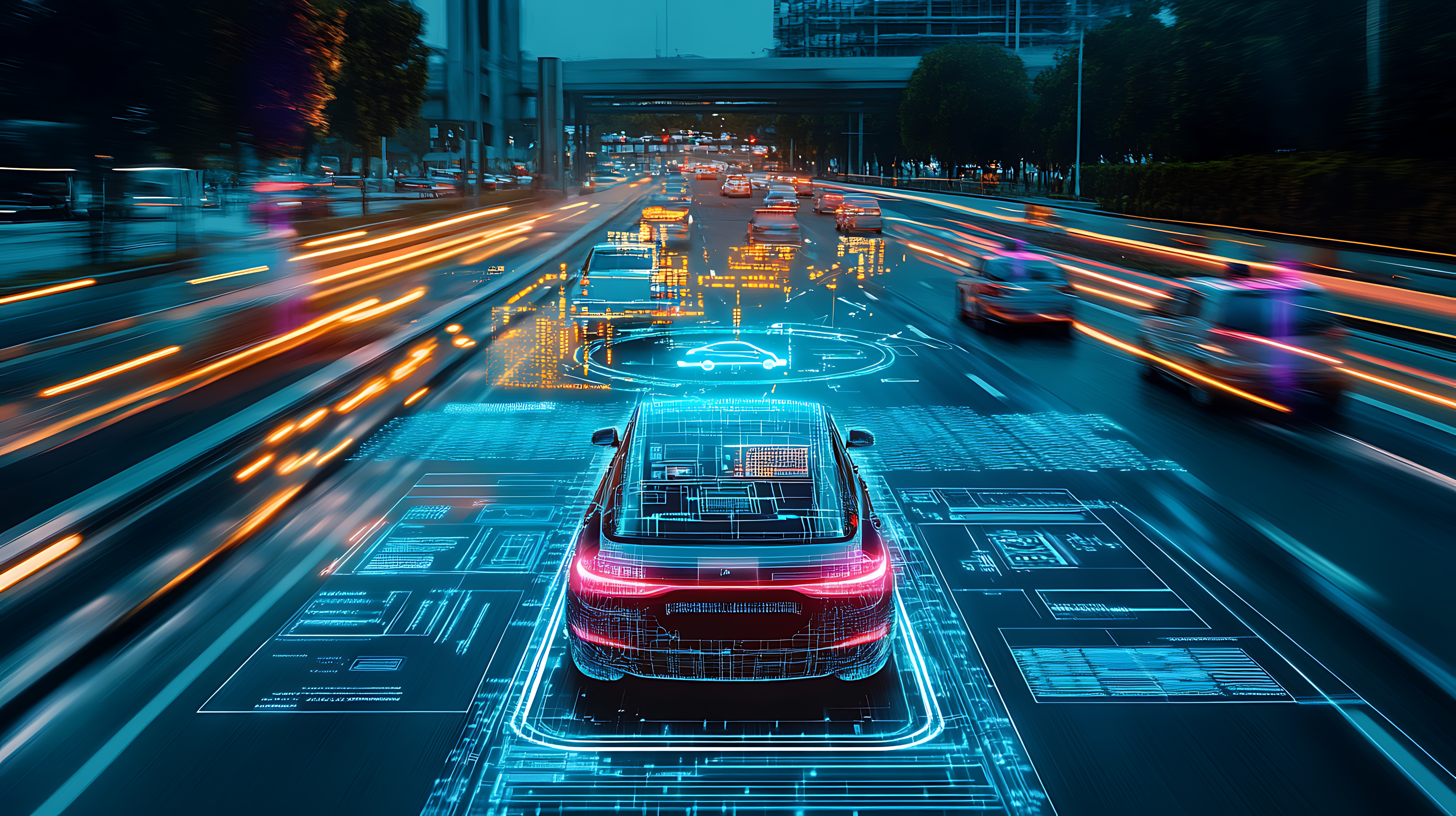
When we think of distracted driving, cell phones usually come to mind. But modern fleets face a broader range of distractions that extend far beyond texting or calling behind the wheel. Subtle, less obvious distractions can be just as dangerous—and technology is now helping identify and reduce them.
Distractions today include eating or drinking while driving, adjusting in-vehicle systems, daydreaming, or simply driving fatigued. Even brief lapses, like glancing at a dashboard screen too long or reaching for an object, increase the risk of crashes. Studies show that cognitive distractions—where a driver’s mind drifts away from the task of driving—are often underestimated but can be as hazardous as using a phone.
How technology is evolving to help:
-
AI-powered dash cameras can monitor steering patterns, eye movements, and head position, alerting drivers if they look away from the road too long.
-
Driver monitoring systems (DMS) detect fatigue indicators like frequent blinking, yawning, or micro-corrections in steering.
-
Telematics platforms provide real-time alerts for risky behaviors such as harsh braking or lane drifting.
For fleet managers, these tools don’t just prevent accidents—they provide valuable coaching opportunities. When drivers receive constructive feedback based on real behavior, it fosters safer habits and reduces long-term risk exposure.
Ultimately, preventing distracted driving isn’t just about banning phones—it’s about addressing all forms of inattention. By leveraging technology and building awareness, businesses can protect drivers, reduce incidents, and promote a stronger safety culture across the fleet.