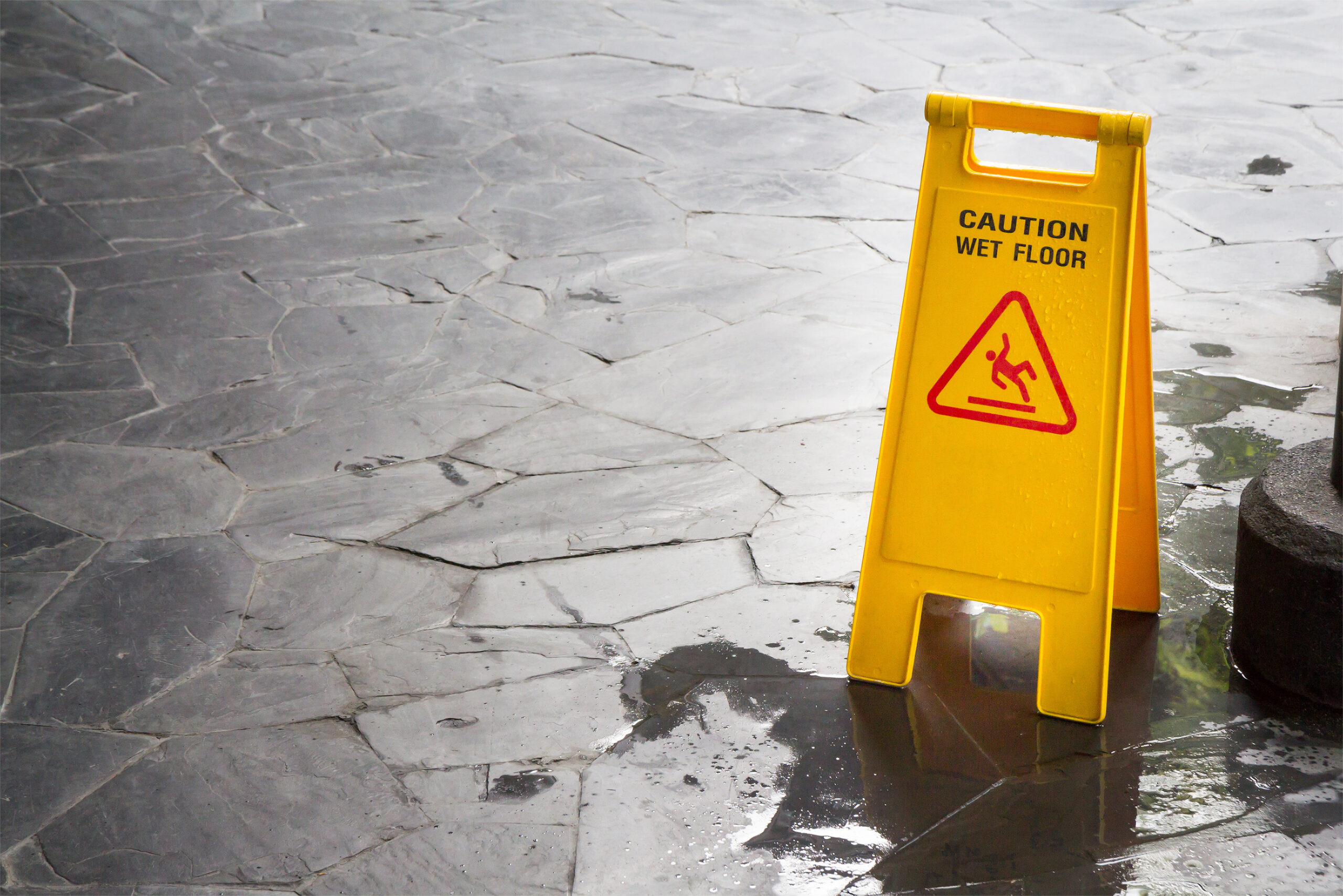
Slip and fall incidents are among the most common workplace and public liability claims, costing businesses billions annually in medical expenses, lost productivity, and insurance premiums. While they may seem minor, these accidents can result in serious injuries—from sprains and fractures to long-term disabilities—making prevention a top priority for employers and property managers.
Why Slip and Falls Happen
Common causes include wet or uneven surfaces, poor lighting, cluttered walkways, loose rugs or mats, and weather-related hazards such as ice and snow. In industrial and commercial settings, spills, improper footwear, or neglected maintenance can significantly increase risk.
The Business Impact
Beyond medical costs, slip and fall accidents can lead to OSHA citations, workers’ compensation claims, and legal liability. For companies, these incidents also harm reputation and morale, particularly if employees or customers feel unsafe in the workplace.
Prevention Strategies
-
Housekeeping Matters: Keep walkways clear of clutter, promptly clean up spills, and ensure mats or rugs are secure.
-
Lighting and Visibility: Adequate lighting in hallways, staircases, and parking lots reduces trip hazards.
-
Floor Maintenance: Regular inspections and repairs of flooring, steps, and handrails help prevent accidents.
-
Seasonal Safety: In colder months, salt icy walkways, clear snow, and mark wet areas with caution signs.
-
Employee Training: Encourage staff to report hazards immediately and wear appropriate footwear for the environment.
Slip and falls may seem like simple accidents, but their consequences can be severe. By taking proactive steps to identify hazards and strengthen safety practices, businesses can reduce risk, protect employees and customers, and lower costs tied to avoidable injuries.