Autumn brings cooler temperatures and colorful landscapes, but it also creates unique driving challenges. Shorter days, wet leaves, fog, and wildlife crossings make fall one of the riskiest seasons on the road. For both fleets and commuters, recognizing these hazards and planning accordingly can reduce accidents and keep operations running smoothly.
Reduced Daylight
Shorter days mean more time spent driving in darkness. Reduced visibility can make it harder to see pedestrians, cyclists, and roadside hazards. Fleet managers should ensure vehicles have properly functioning headlights, while drivers should use extra caution during early morning and evening commutes.
Wet Leaves and Slippery Roads
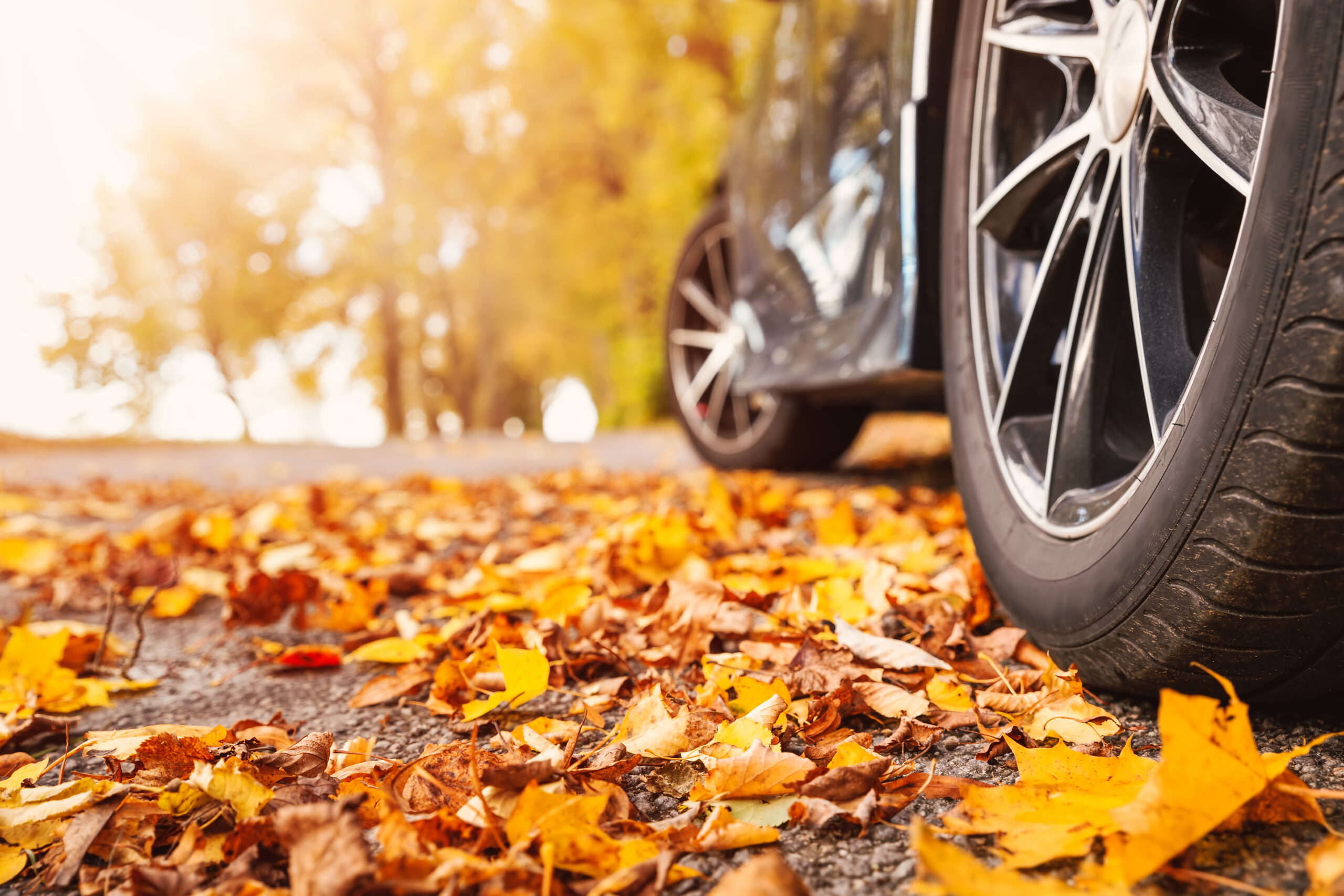
Fallen leaves may look harmless, but when wet, they become as slick as ice. Combined with rain, they can significantly reduce tire traction. Drivers should slow down, increase following distances, and avoid hard braking on leaf-covered roads.
Fog and Weather Changes
Fall often brings dense fog, especially in rural areas. Drivers should use low-beam headlights, maintain safe speeds, and stay alert for sudden changes in weather conditions that impact visibility and traction.
Deer and Wildlife Crossings
Deer activity spikes during the fall breeding season, particularly at dawn and dusk. Drivers should be extra cautious in wooded or rural areas, scanning roadsides and slowing down where wildlife is common.
Fall driving hazards are predictable, but preventable. By adopting risk management strategies—vehicle checks, defensive driving, and awareness training—fleets and commuters can safely navigate the season’s challenges.